
Why Choosing the Right Anti Seize High Temperature Compound Protects Your Equipment
Anti seize high temperature compounds are specialty pastes applied to threaded fasteners, flanges, and fittings before assembly — preventing them from fusing, corroding, or seizing when exposed to extreme heat.
Here is a quick reference for the most common high-temp anti-seize types and their top use cases:
| Formulation | Max Temp Rating | Best For |
|---|---|---|
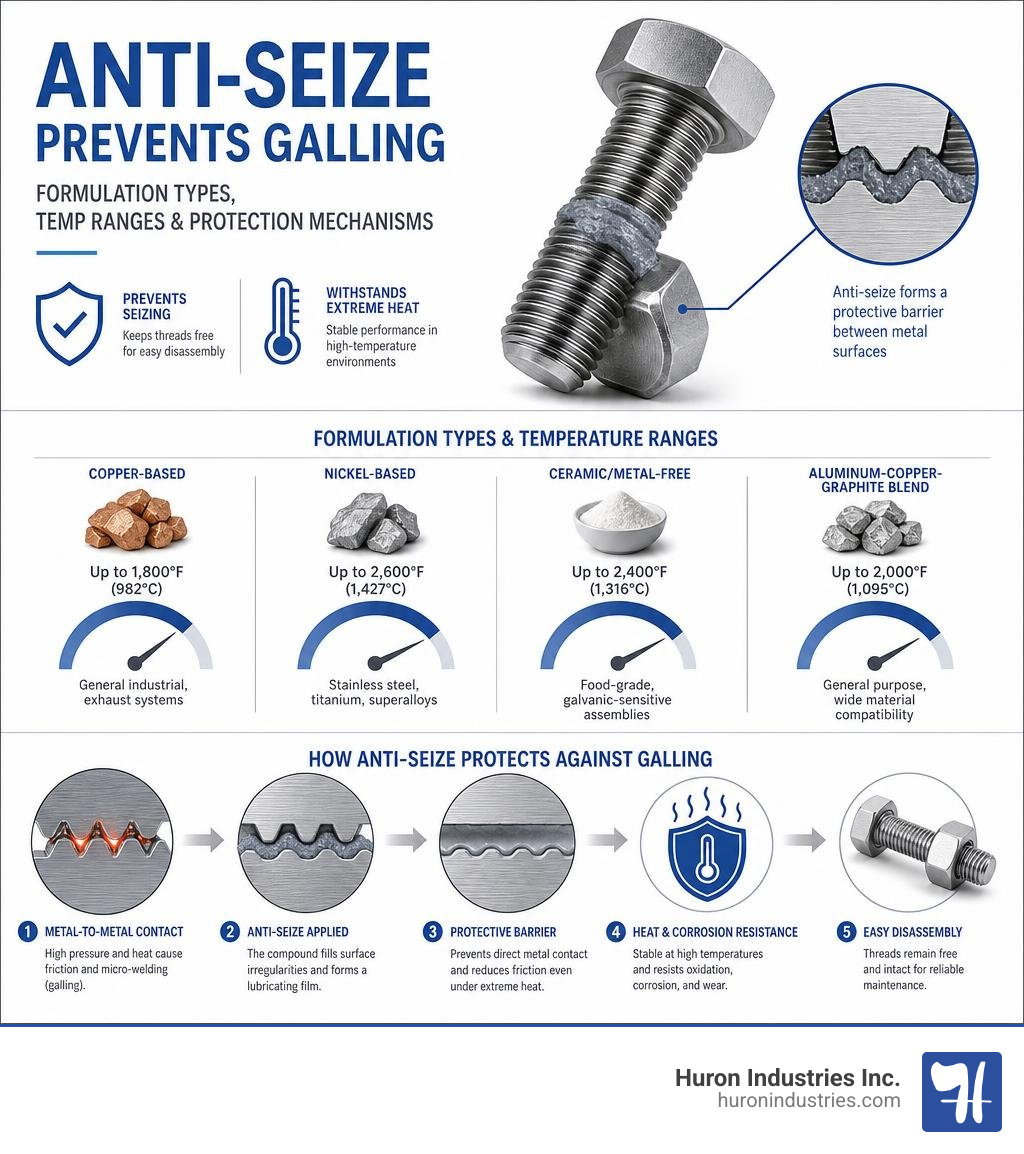
| Copper-based | Up to 1,800°F (982°C) | General industrial, exhaust systems |
| Nickel-based | Up to 2,600°F (1,427°C) | Stainless steel, titanium, superalloys |
| Ceramic/metal-free | Up to 2,400°F (1,316°C) | Food-grade, galvanic-sensitive assemblies |
| Aluminum-copper-graphite blend | Up to 2,000°F (1,095°C) | General purpose, wide material compatibility |
When a fastener seizes at high temperature, removing it without damage can cost far more than the original assembly. Broken studs, stripped threads, and unplanned downtime are the real price of using the wrong lubricant — or none at all. In nuclear, defense, and heavy industrial settings, that cost is measured not just in dollars but in safety and compliance risk.
The good news: matching the right anti-seize compound to your application is straightforward once you understand the key differences between formulations, temperature limits, and material compatibility.
I'm Nicholas Cunha, founder of CreatiVertical and the content strategist behind Huron Industries Inc.'s digital presence — where I've spent considerable time translating the technical nuances of anti seize high temperature compounds, certified lubricants, and specialty thread compounds into content that helps procurement and engineering teams make confident sourcing decisions. Let's walk through what you need to know.
What is High-Temperature Anti-Seize and How Does It Work?
To understand how an anti seize high temperature paste protects critical connections, we have to look at what happens to metal under extreme thermal stress. When you tighten a bolt, the microscopic peaks and valleys of the mating threads are forced together under immense pressure. Under normal conditions, a standard grease keeps these surfaces separated.
However, when temperatures climb, standard petroleum-based greases quickly reach their limits. They melt, run out, or bake away, leaving behind carbon residues that can actually lock the threads in place. Without a protective barrier, the bare metal surfaces undergo extreme friction, leading to galling (cold welding) and structural seizing.
High-temperature anti-seize compounds solve this through a specialized two-part formulation:
- The Base Carrier: A synthetic or highly refined fluid that provides initial lubrication during assembly.
- Solid Lubricant Flakes: Microscopic particles of copper, nickel, graphite, or ceramic suspended in the carrier.
As the machinery heats up, the carrier fluid is designed to volatilize cleanly. When it dissipates, it leaves behind a highly stable, microscopic dry film of solid lubricants. This dry film acts as a physical boundary sheet, preventing direct metal-to-metal contact even under extreme clamping forces and high temperatures.
This process relies heavily on the compound's engineered Thermal Stability. By maintaining a physical barrier between mating surfaces, the compound ensures that components can be disassembled cleanly years later without thread stripping or structural failure. If you also need to seal the connection against pressure or fluids rather than just lubricating it, you will want to look into a dedicated High Temperature Sealant instead.
Understanding Anti Seize High Temperature Formulations
Choosing the right anti seize high temperature compound requires looking closely at the chemical makeup of the solid lubricants. Applying the wrong metallic compound to certain alloys can trigger rapid galvanic corrosion or cause structural degradation.

Copper-Based Compounds for General High-Heat Use
Copper-based formulations are the workhorses of the industrial and automotive worlds. Typically rated for temperatures up to 1,800°F (982°C), these pastes combine micro-sized copper flakes and high-carbon graphite particles in a heavy-duty carrier grease.
Copper provides excellent electrical conductivity and heat dissipation, making it a popular choice for electrical connections, ground screws, and spark plug threads. It also ensures highly predictable torque accuracy during assembly. However, because copper is a highly active metal, it should not be paired with stainless steel in extreme heat, as it can cause intergranular corrosion. For general-purpose applications where copper is appropriate, a premium High Temperature Anti-Seize Lubricant is the industry standard.
When to Use Nickel-Based Anti Seize High Temperature Compounds
When temperatures exceed 1,800°F or when you are working with stainless steel, titanium, or nickel-based superalloys, nickel is the gold standard. Nickel-based anti-seize compounds can withstand extreme environments up to 2,600°F (1,427°C).
Nickel is highly resistant to chemical attack and does not suffer from the same galvanic incompatibility issues as copper when paired with stainless steel. It is commonly specified for exhaust systems, catalytic converter fasteners, and chemical processing equipment. Additionally, graphite-free nickel formulations are critical for stainless steel assemblies operating above 550°F to prevent carburization, which makes the alloy brittle and prone to cracking. For these demanding environments, a specialized compound like NICKEL PLATE™ - High Temp Anti-Seize Compound provides the necessary dry-film plating protection.
Key Benefits of Ceramic Anti Seize High Temperature Pastes
Ceramic and metal-free anti-seize pastes are rapidly growing in popularity for applications where metallic particles are undesirable. Utilizing sub-micron ceramic solids, these pastes can easily withstand temperatures up to 2,400°F (1,316°C).
Because they contain no metal, ceramic pastes:
- Eliminate Galvanic Corrosion: They prevent electrolytic reactions between dissimilar metals (such as aluminum and steel).
- Are Non-Conductive: Safe for use around sensitive electrical sensors and actuators where metallic pastes might cause short circuits.
- Resist Extreme Pressure: The ceramic solids maintain their structural integrity under immense clamping loads, protecting superalloys from galling.
Specialty and Food-Grade Formulations
In the food, beverage, pharmaceutical, and cosmetic packaging industries, standard industrial lubricants cannot be used due to strict safety regulations. These environments require NSF H-1 registered, FDA-compliant anti-seize compounds.
These specialty white pastes are formulated to be non-toxic, odorless, tasteless, and non-staining. Despite being completely metal-free, premium food-grade options maintain exceptional performance, protecting metal-to-metal connections at temperatures up to 2,100°F (1,148°C). They are highly resistant to water washout and aggressive chemical sanitizers. If your machinery operates in a regulated clean environment, utilizing a product like HI-Temp Food Grade 41003 Anti-Seize Compound, 4 oz., ... ensures full compliance without sacrificing high-temperature thread protection.
Key Applications: Where to Apply High-Temp Anti-Seize
In heavy industry and fleet maintenance, knowing exactly where to apply anti seize high temperature compounds can save hundreds of hours of labor.
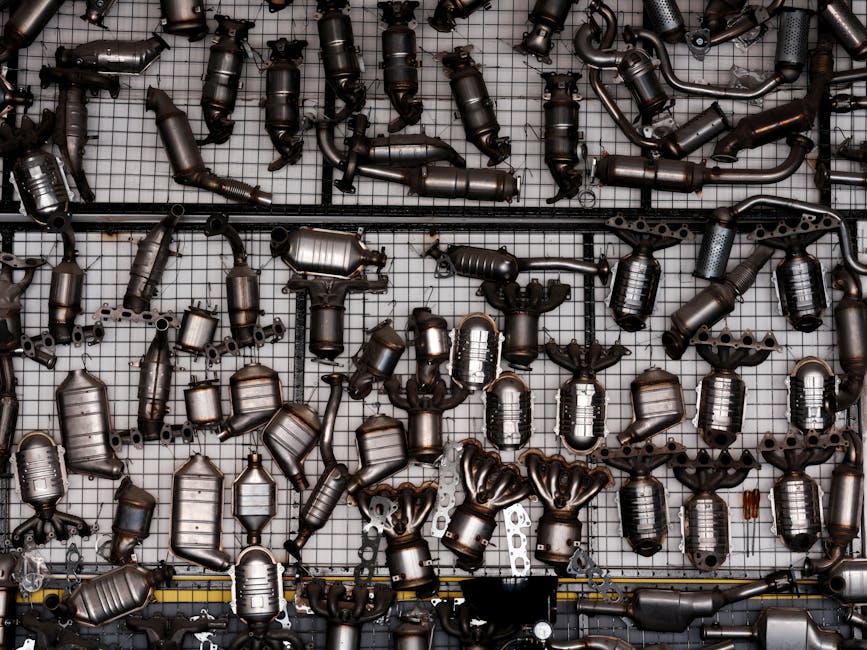
Here are the most common high-heat environments where these pastes are essential:
- Automotive Exhaust and Turbochargers: Exhaust manifold bolts, muffler clamps, tailpipe assemblies, and turbocharger V-band clamps experience constant thermal cycling. Applying a high-temp paste prevents these fasteners from welding themselves together.
- Spark Plugs: Applying a very light film to spark plug threads (especially when threading into aluminum cylinder heads) ensures easy removal during the next service interval.
- Industrial Furnaces and Kilns: Furnace door hinges, conveyor bolts, and kiln fittings operate continuously in extreme heat. A nickel or ceramic-based paste keeps these moving parts serviceable.
- Marine Engines and Pumps: Marine environments combine extreme engine heat with highly corrosive saltwater. High-temp anti-seize compounds with strong water-washout resistance are critical to prevent galvanic pitting on keyways and shafts.
To dive deeper into matching specific industrial heat challenges with the right chemical solutions, you can read our guide on how to Beat the Heat with These High Temp Anti-Seize Solutions.
How to Properly Apply High-Temp Anti-Seize
Applying anti-seize isn't complicated, but doing it incorrectly can lead to messy cleanups or, worse, improperly tensioned fasteners.
Follow these five steps for a perfect application:
- Clean the Surfaces: Before applying any new paste, use a wire brush and a high-quality degreaser to remove all dirt, oil, old lubricants, and rust from the threads. The solid lubricants must make direct contact with the clean metal to work effectively.
- Stir the Product: Over time, the carrier oil in anti-seize can separate slightly. Give the compound a quick stir with a brush to ensure the metallic or ceramic solids are evenly distributed.
- Apply a Thin, Even Film: Using a brush, apply a thin layer of paste directly to the male threads. Focus on the valleys of the threads where the physical contact occurs. You do not need to pack the threads; a little goes a long way. For large industrial assemblies, lightly coat both the internal and external threads.
- Adjust Your Torque Settings: This is critical. Anti-seize acts as a lubricant, which reduces friction during assembly. If you tighten a bolt to its dry torque specification while using anti-seize, you will over-stretch the bolt and potentially strip the threads. As a general rule, reduce your assembly torque by 20% to 25% to compensate for the lubricity (K-factor) of the compound.
- Wipe Away Excess: Once the fastener is torqued to specification, use a clean rag to wipe away any excess paste that squeezes out. This prevents the sticky paste from attracting dirt and abrasive road grime.
Frequently Asked Questions
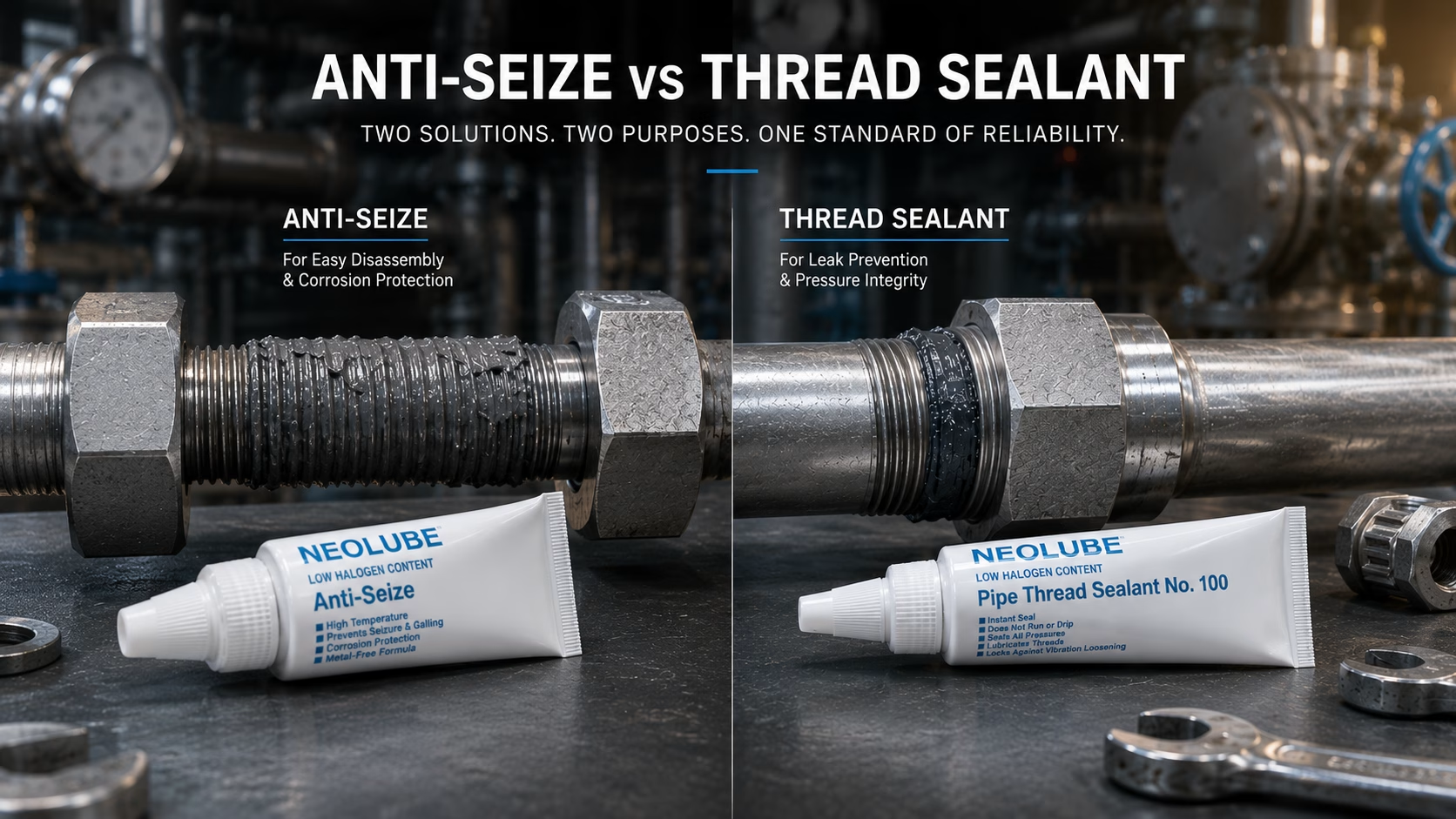
What is the difference between anti-seize and thread sealant?
While they might look similar coming out of a tube, anti-seize and thread sealants serve entirely different purposes.
Anti-seize is primarily a lubricant designed to prevent metal-to-metal contact, galling, and seizing under high heat and pressure. It does not cure and is not designed to contain high-pressure fluids.
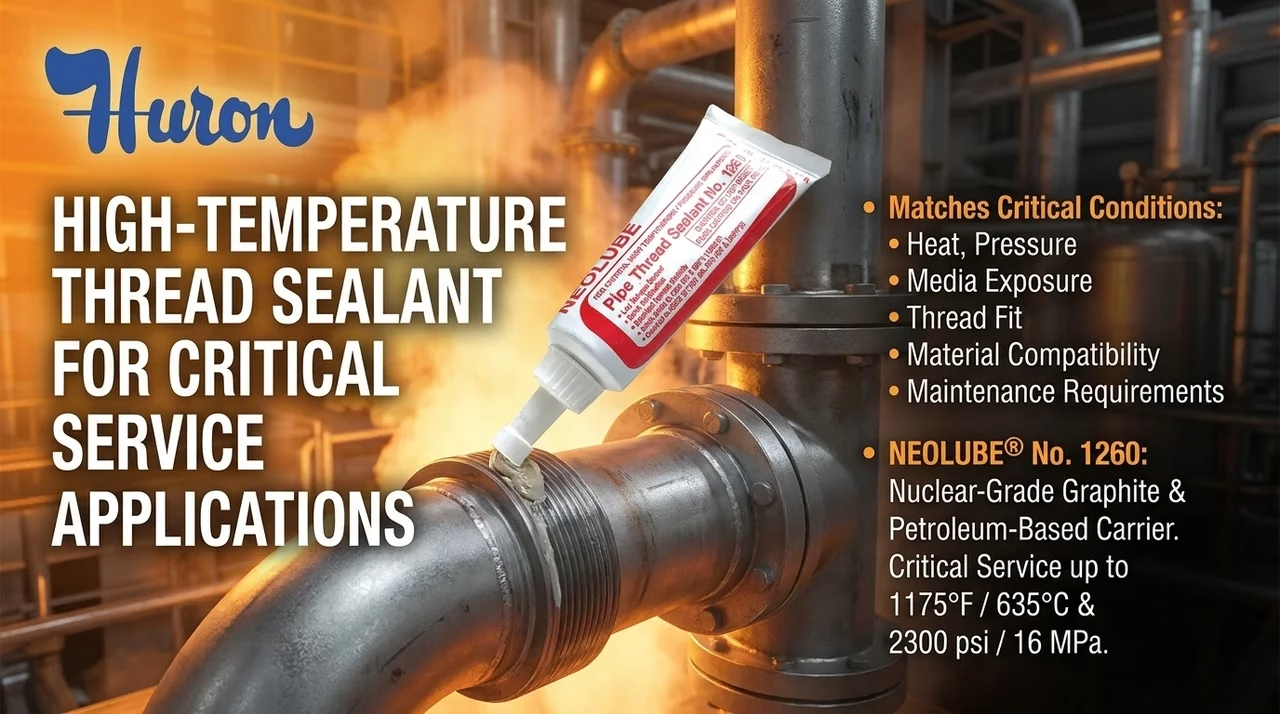
Thread sealants, on the other hand, are engineered to fill the physical gaps between threads to create a leak-proof seal against liquids and gases. For a detailed breakdown of when to use which, check out our technical comparison on High Temperature Anti-Seize vs Thread Sealant. For demanding industrial systems, you can also view our resources on High Temperature Thread Sealant for Critical Service Applications and High Temperature Anti-Seize vs Thread Sealant for Threaded Connections.
Can you use copper anti-seize on stainless steel?
Generally, no. While copper is highly effective on carbon steel, pairing copper with stainless steel in high-temperature environments (above 550°F) can lead to intergranular corrosion. The copper can penetrate the grain boundaries of the stainless steel, causing the metal to become brittle and fail under stress. For stainless steel, titanium, and nickel alloys, always use a nickel-based or ceramic-based alternative.
What is the typical shelf life of high-temp anti-seize?
When stored in a tightly sealed container in a cool, dry place, a high-quality high-temp anti-seize compound typically has a shelf life of five years or more. If you notice a thin layer of oil on top of the paste when opening an older can, don't worry—this is normal oil separation. Simply stir the product thoroughly to reincorporate the carrier oil into the solid lubricant matrix, and it is ready to use.
Conclusion
Choosing the right anti seize high temperature compound is one of the simplest ways to protect your machinery, prevent costly downtime, and ensure safe, damage-free maintenance. Whether you are dealing with the extreme 2,600°F heat of industrial turbines or highly regulated food-processing lines, matching your alloy with the correct solid-lubricant chemistry is key.
At Huron Industries Inc., we have been manufacturing certified, high-purity specialty lubricants and thread compounds in Port Huron, Michigan, since 1971. Our flagship Neolube® colloidal-graphite line is trusted in commercial and naval nuclear reactor systems worldwide for its unmatched purity and thermal stability.
To learn more about our industrial capabilities, you can view our profile on Huron Industries, Inc. - Thomasnet. If you are looking for high-purity, nuclear-grade lubricants that deliver exceptional performance in the most demanding environments, explore our premier solutions at https://huronindustries.com/neolube/.