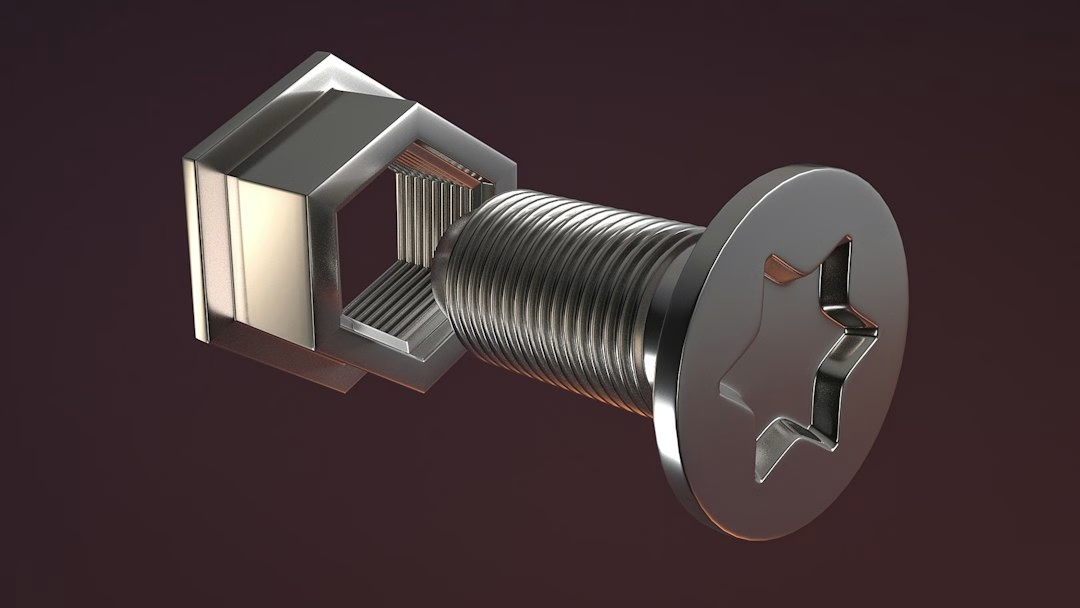
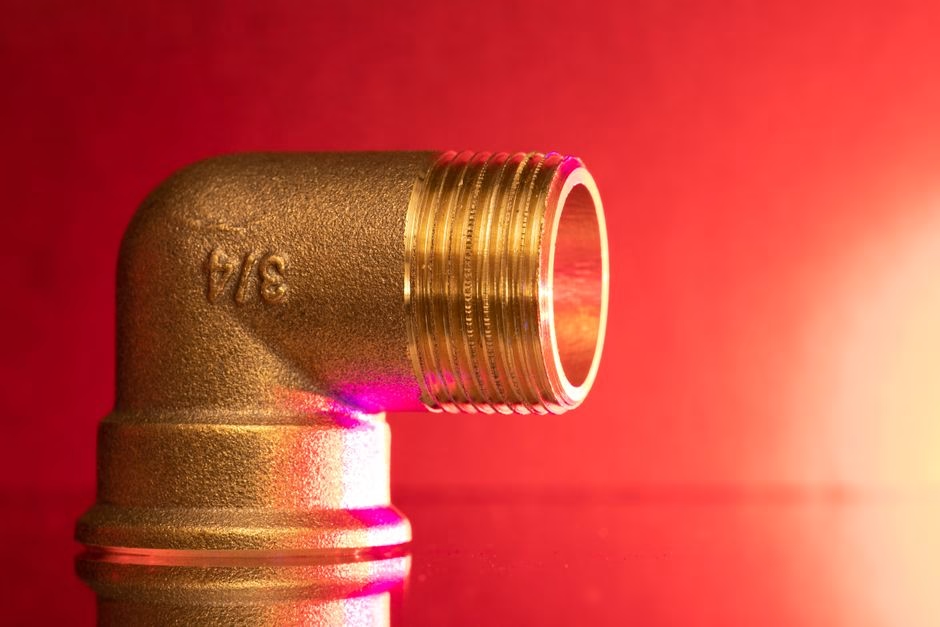
Thread Locking Sealant: Locking vs. Sealing Choose a threadlocker when the main risk is a fastener loosening under vibration. Choose a thread sealant when the main risk is fluid or gas escaping through a threaded fitting. If the joint needs both, a thread locking...
Why Engineering Nuclear Lubricant Is a Safety-Critical Choice Engineering nuclear lubricant means selecting and controlling oils, greases, dry films, and anti-seize compounds as safety-relevant machine components – not routine maintenance supplies. The right...
Teflon-Free Thread Sealant Options for High-Purity Lines A teflon free thread sealant can replace PTFE tape or PTFE-filled pipe dope where PFAS, fluorine contamination, loose tape fragments, or material approvals are a concern. For critical piping, choose the...
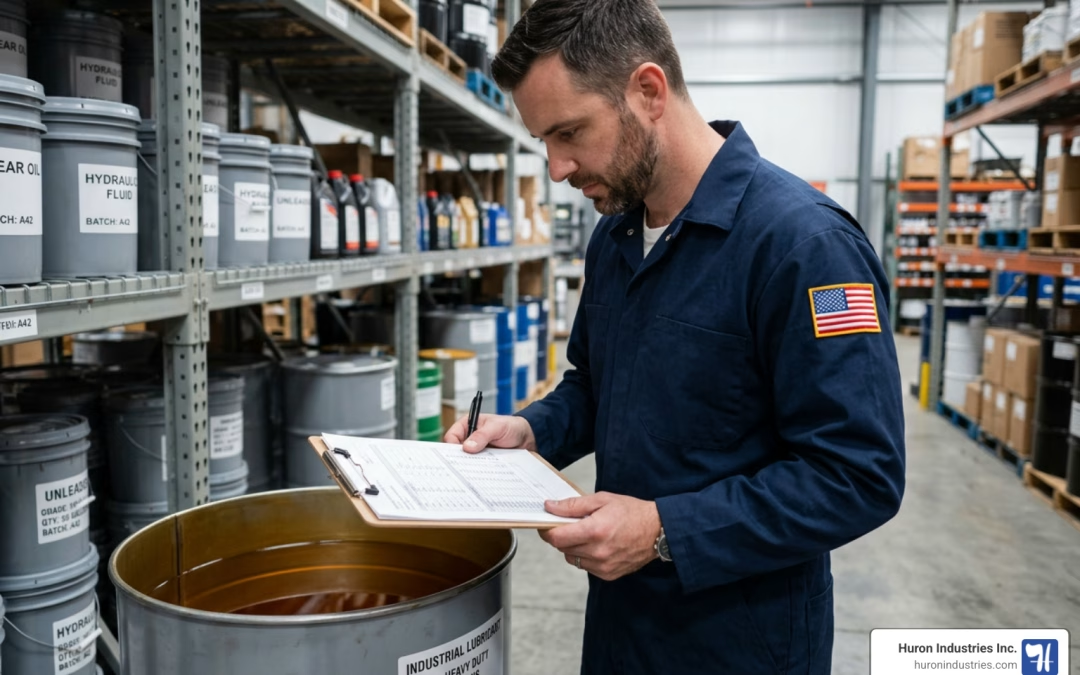
Start QPL Lubricant Procurement With Verified Qualification Data QPL lubricant procurement starts by confirming that the exact lubricant, manufacturer, and applicable specification are qualified before you buy or bid. For defense, nuclear, and other high-consequence...
What is D50YP12 Thread Sealant and Its Specifications? In the demanding landscape of industrial operations, maintaining the integrity of threaded connections is absolutely critical. Leaks in high-temperature or high-pressure systems can lead to significant safety...
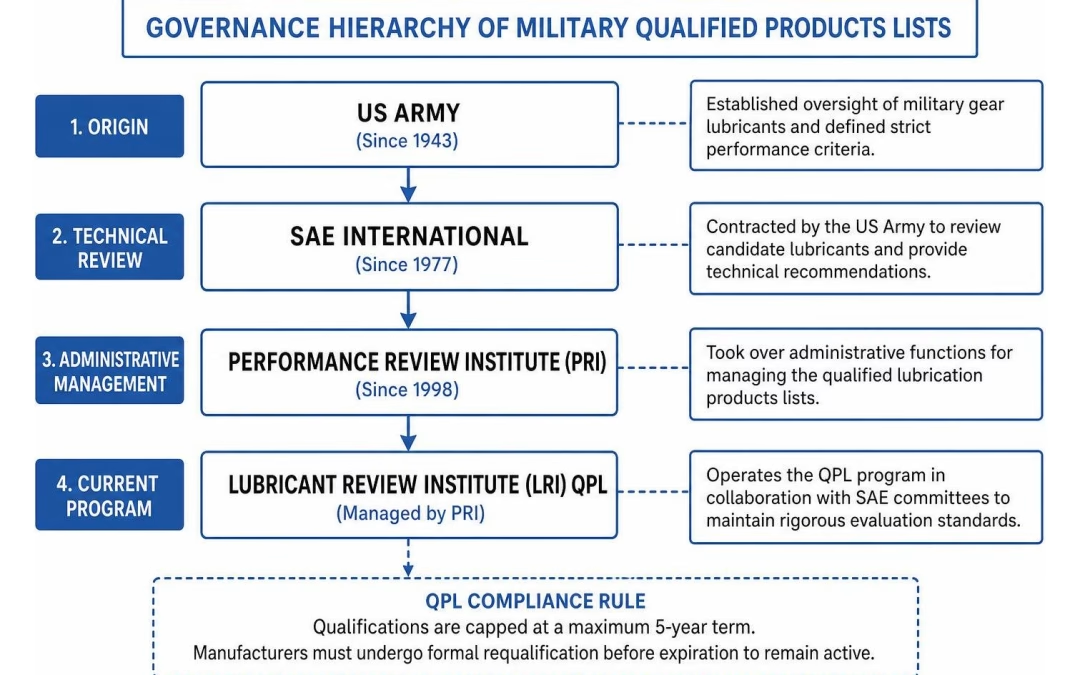
1. Governance & Management: Understanding the Organizations Behind QPL Here is your complete guide to decoding QPL lubricant specifications step by step. Understanding who sets the rules makes navigating QPL lubricant specifications much easier. Qualified Products...