
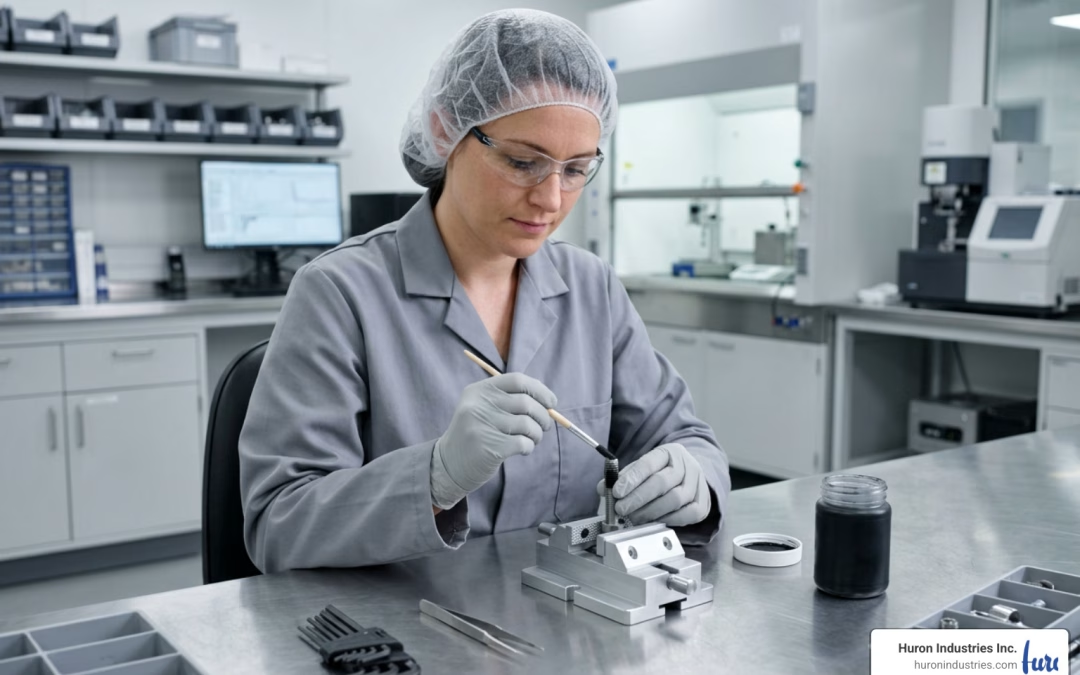
Why Sourcing Certified Colloidal Graphite Products the Right Way Matters
If you need certified colloidal graphite products for nuclear, defense, or industrial use, here's a quick answer before we go deeper:
| What to Look For | Why It Matters |
|---|---|
| MIL-L-24131C compliance | Required for nuclear and defense applications |
| Halogen content below 200 ppm | Prevents stress corrosion cracking in stainless steel |
| ISO 9001:2015 certified supplier | Ensures consistent quality and traceability |
| Particle size specification (≤4 µm) | Affects film quality and lubrication performance |
| Water-based vs. solvent-based formulation | Determines drying time, service temperature, and compatibility |
| EPD/PCR documentation | Supports environmental compliance and procurement requirements |
Getting this wrong isn't just a hassle — it can mean failed audits, rejected components, or worse, a safety incident in a controlled environment.
Colloidal graphite looks simple on the surface. It's just fine graphite particles suspended in a liquid carrier, right? But when you're sourcing for a nuclear facility, a defense contractor, or a high-reliability industrial application, every specification detail counts. Purity levels, halogen limits, carrier type, particle size — these aren't just numbers on a datasheet. They determine whether a product passes qualification or gets rejected at the gate.
The certification landscape adds another layer of complexity. Standards like MIL-L-24131C, frameworks like ISO 9001:2015, and environmental declarations tied to UN CPC codes 37950, 37990, and 46950 all play a role in what "certified" actually means for your procurement decision.
I'm Nicholas Cunha, and through my work building content and digital systems for Huron Industries Inc. — a supplier of certified colloidal graphite products, thread sealants, and specialty lubricants for industrial and regulated markets — I've developed a working knowledge of what technical buyers actually need when sourcing these materials. This guide breaks it all down so you can qualify suppliers and products with confidence.
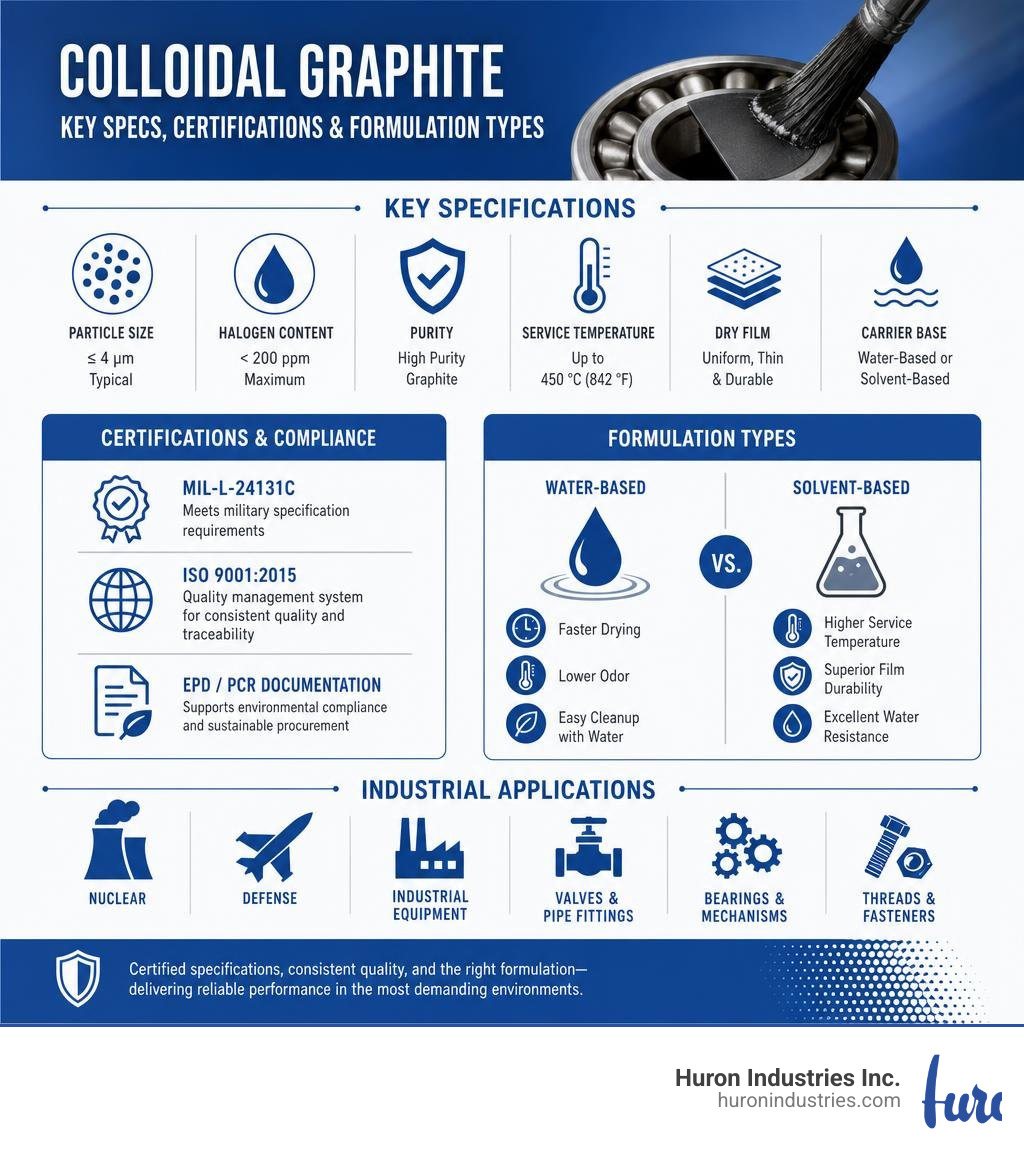
Understanding Colloidal Graphite Formulations and Applications
To choose the right supplier, we first need to understand what makes colloidal graphite unique. Why not just throw some standard graphite powder on a squeaky hinge and call it a day?
At its core, a colloidal dispersion consists of ultra-fine graphite particles permanently suspended in a liquid carrier. Because the particles are so small—often measuring in the single-digit micrometer or even sub-micron range—they do not quickly settle out of the liquid. Instead, they remain evenly distributed, allowing you to apply a perfectly uniform layer of graphite to a surface.
Graphite itself is one of the softest known solid materials, and its lubricating power comes from its unique layered structure. The carbon atoms are arranged in flat, hexagonal sheets. While the bonds within each sheet are incredibly strong, the bonds between the sheets are weak. This allows the layers to slide over one another with minimal resistance—a physical property known as easy cleavage.
When you apply colloidal graphite to a surface, the liquid carrier evaporates, leaving behind a continuous, highly adherent dry film of graphite. This dry film protects moving parts, reduces friction, and prevents seizing under extreme pressures and temperatures.
To help you visualize your options, I have mapped out the core differences between the two primary families of colloidal graphite:
| Feature | Water-Based Formulations | Solvent-Based Formulations |
|---|---|---|
| Primary Carrier | Water (Aqueous) | Organic solvents (e.g., Isopropanol) |
| Drying Speed | Slow to moderate (can be accelerated with heat) | Extremely fast (dries in seconds at room temp) |
| Typical Service Temperature | Up to 306°C (approx. 580°F) in air | Up to 400°F (204°C) for standard dry films |
| Odors & VOCs | Extremely low to none | Moderate; requires adequate ventilation |
| Key Advantage | Non-flammable, environmentally friendly | Rapid dry time, excellent adhesion on cold surfaces |
| Common Uses | Electronics, high-temperature coatings, glass mold release | Nuclear thread lubrication, precision metal assembly |
Key Applications of Certified Colloidal Graphite Products
Where do these materials actually go to work? Because they function as both an exceptional dry solid lubricant and an effective conductive coating, they are utilized across several demanding industries:
- Nuclear Power and Defense: In nuclear reactors, components experience extreme temperatures and intense radiation. Standard petroleum-based lubricants would break down or hazardously carbonize. Certified colloidal graphite provides non-migratory, radiation-resistant lubrication for threaded parts, control rod mechanisms, and valves.
- Electronics and Semiconductors: Because graphite is naturally conductive, these dispersions are painted onto surfaces to form conductive paths, shield components from electromagnetic interference (EMI), or act as a charge-dissipating layer. For instance, in laboratory environments, researchers use specialized preparations like the water-based EMS Colloidal Graphite (which features a 1 µm average flake size and a 306°C service temperature limit) to prepare samples for electron microscopy.
- High-Temperature Industrial Manufacturing: From metal forging and wire drawing to glass container manufacturing, heavy machinery requires lubricants that will not burn off. Colloidal graphite can withstand extreme heat where liquid oils would simply ignite. For those looking for standard industrial-grade solutions, you can find More info about industrial lubricants to see how these dry-film coatings keep heavy machinery moving.
- Printed Circuit Boards (PCBs): Specialized graphite dispersions are increasingly used in PCB manufacturing as an eco-friendly alternative to traditional electroless copper plating, helping to transform non-conductive plastics into conductive surfaces.
- Precision Research and Laboratory Consumables: Many scientific setups require pure, fine coatings to prevent static buildup or create specialized barriers. Highly refined water-based colloidal graphite concentrates provide a dependable, pure option designed specifically for these high-purity laboratory applications.
Water-Based vs. Solvent-Based Formulations
Choosing between an aqueous dispersion and a solvent-based carrier is one of the first decisions you must make.
Water-based formulations are non-flammable, low-odor, and generally much easier to ship and store because they do not carry hazardous material classifications. They are favored in facilities with strict environmental or volatile organic compound (VOC) limits. However, because water evaporates slowly, they require more drying time or the application of external heat to cure the film.
On the flip side, solvent-based formulations—most commonly using an isopropanol (isopropyl alcohol) carrier—are the kings of speed. When sprayed, brushed, or dipped, the solvent flashes off in a matter of seconds, leaving a perfectly dry, thin, and non-migratory film of graphite behind. This is incredibly useful for assembly lines or field maintenance where you cannot afford to wait hours for a lubricant to dry.
To see an example of how these solvent-based systems are specified, you can review the Neolube No. 1 Technical Datasheet, which outlines the precise solids content and rapid-drying properties required for high-performance dry-film lubrication.
Critical Certifications and Standards for Certified Colloidal Graphite Products
When we talk about "certified colloidal graphite products", we are not just throwing around a marketing buzzword. In highly regulated sectors, "certified" means the product has undergone rigorous testing and complies with strict, verifiable standards.
Let's look at the key certifications that separate industrial-grade lubricants from true high-purity, certified products.
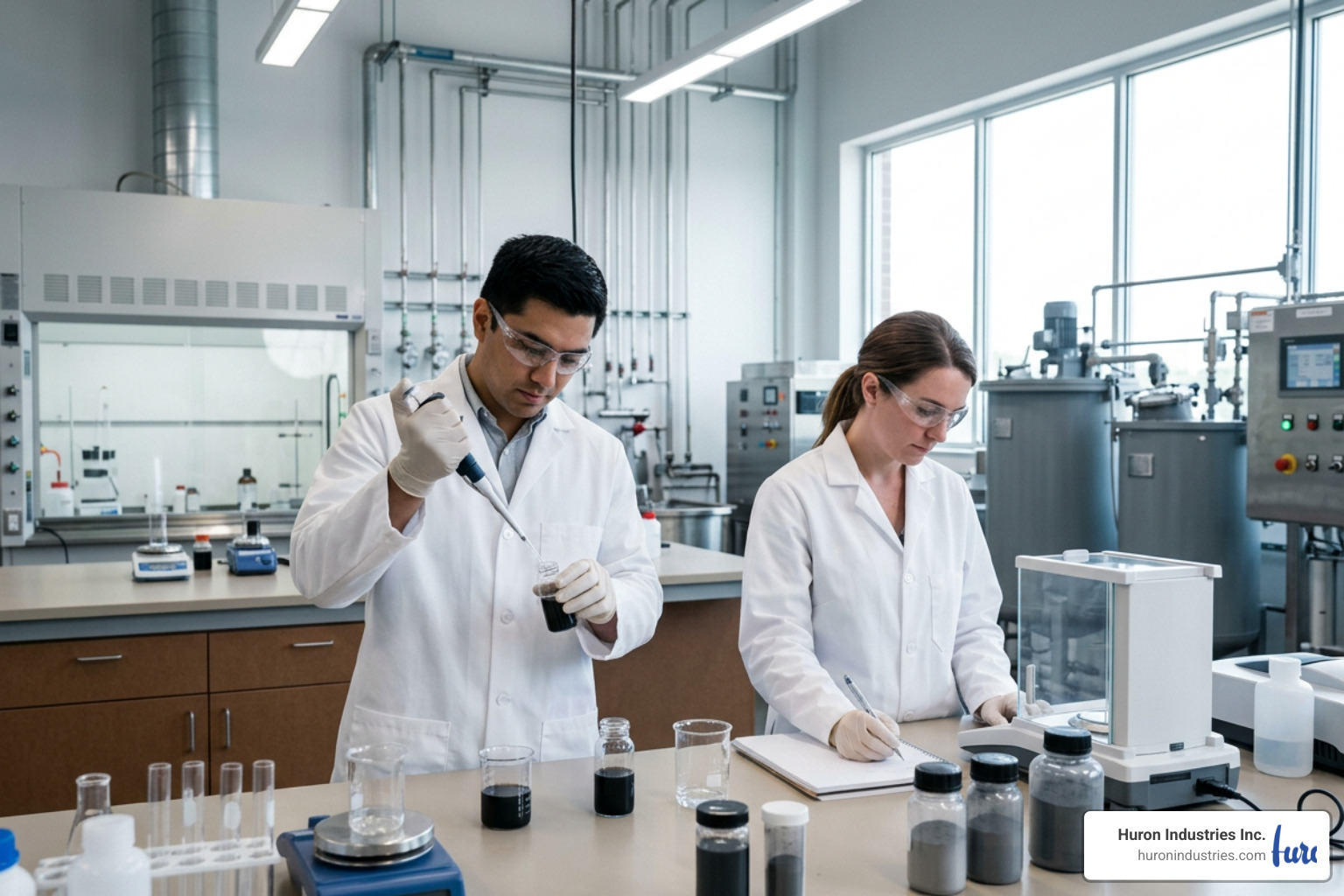
Environmental Product Declarations (EPD) and PCR
In 2026, sustainability is no longer optional. Industrial buyers must prove the environmental footprint of the materials they procure. This is where Product Category Rules (PCR) and Environmental Product Declarations (EPD) come into play.
Graphite products are classified under several internationally recognized United Nations Central Product Classification (UN CPC) codes:
- UN CPC 37950: Artificial graphite; colloidal or semi-colloidal graphite; preparations based on graphite.
- UN CPC 37990: Non-metallic mineral products not elsewhere classified.
- UN CPC 46950: Carbon electrodes, carbon brushes, and other graphite articles for electrical purposes.
Under the EPD International framework, there is a specific global standard: the PCR for Graphite products (Registration number 2023:02), which is valid through April 19, 2027. This rulebook was collaboratively prepared by 18 leading international organizations (including Minviro Ltd, SGL Carbon, and Imerys) to establish a unified way to calculate and report the life-cycle environmental impact of graphite.
When a manufacturer provides an EPD compliant with this PCR, they are giving you verified, third-party audited data on the carbon footprint, water usage, and energy consumption of that specific graphite product. You can learn more about these standards directly from Graphite products - EPD International.
Nuclear and Military Specifications
For those of us working with defense contractors or nuclear utility operators, the gold standard is MIL-L-24131C.
This military specification governs high-purity colloidal graphite in an isopropanol carrier. It is an incredibly demanding standard because the lubricant is designed to be used inside nuclear reactor primary containment areas.
In a nuclear reactor, the presence of certain impurities—specifically halogens like chlorine, fluorine, and bromine, as well as low-melting-point metals like lead, zinc, and sulfur—can cause catastrophic failures. Under high temperatures and pressures, halogens can cause stress corrosion cracking (SCC) in stainless steel components, leading to microscopic cracks that can compromise structural integrity.
To prevent this, MIL-L-24131C requires:
- Strict Halogen Limits: Total halogen content must be strictly controlled, typically guaranteed to be below 200 parts per million (ppm).
- Ultra-High Purity Carbon: The graphite source must be exceptionally pure (often synthetic graphite with minimum 99.5% carbon content and minimal ash).
- Strict Particle Size Limits: The graphite flakes must be processed so that the vast majority can easily pass through micro-filters without clogging or agglomerating.
If you are sourcing for a regulated environment, you can check out our dedicated page on Product Certification to see how we document and verify compliance for every batch, or explore our specialized Neolube Colloidal Graphite Lubricants designed specifically to meet these stringent nuclear requirements.
Key Suppliers and Industry Innovations
The world of colloidal graphite is not static. Over the last few years leading up to 2026, manufacturers have made incredible leaps in both performance and environmental safety. Let's look at how the industry is evolving and who is leading the charge.
Solvent-Based Certified Colloidal Graphite Products
For solvent-based systems, the focus is on achieving an ultra-fine, highly stable suspension in volatile carriers like isopropanol.
Our signature Neolube formulations are a prime example of this engineering. For instance, NEOLUBE® No. 2 features a precisely controlled solids content of 3.3% ± 0.5% total solids, with the dry solids containing 75% ± 5% pure graphite. What makes it exceptional is the particle size control: 90% of the suspended graphite particles have a maximum dimension of 4 microns or less.
This tiny particle size allows the suspension to flow smoothly into the tightest tolerances of threaded parts, drying in seconds to leave a thin, highly adherent, non-migratory dry film that won't rub off, wash away, or attract dust. You can explore the full range of these professional-grade solutions on the Neolube Brand Products page.
Leading Brands and Formulations
When looking at the broader market, several brands and raw material formulations have defined the industry:
- Aquadag ECO: Long recognized as a staple in water-based colloidal graphite, newer formulations like Aquadag Colloidal Graphite ECO have introduced significant environmental improvements. Historically, water-based graphite dispersions relied heavily on ammonia to stabilize the pH of the mixture and keep the graphite from falling out of suspension. The ECO formulation features significantly reduced ammonia levels, making it much safer for workers to handle and reducing hazardous shipping restrictions.
- ExxonMobil Advanced Graphite Solutions 7005926: On the raw materials side, synthetic graphite products like ExxonMobil's 7005926 provide the ultra-pure carbon backbone that manufacturers use to create colloidal dispersions. This synthetic graphite features a minimum carbon content of 99.5%, a maximum ash content of just 0.5%, and a controlled particle size (D50 of 30-50 µm) with a minimum surface area of 3.5 m²/g, making it ideal for high-end industrial lubricants and coatings.
- Graphene Nanoplatelet Dispersions: Moving beyond traditional graphite, modern nanotechnology has introduced graphene-based aqueous dispersions. Advanced formulations utilize patented liquid-phase exfoliation to suspend multi-layer graphene nanoplatelets in water. With typical solids content around 9.0% to 9.4% and highly controlled particle sizes (Dv50 of 4.0 to 4.7 µm), these advanced dispersions are used to drastically improve the strength of concrete, create barrier coatings against corrosion, or enhance the thermal conductivity of polymers.
Eco-Friendly and Performance Innovations
One of the most exciting developments in recent years is the transition away from toxic chemicals in industrial processing.
For example, in the electronics and printed circuit board (PCB) industries, manufacturers traditionally relied on complex electroless copper plating processes to deposit conductive layers on non-conductive plastics, Teflon, or polyimide. These older processes were notorious for utilizing hazardous chemicals like formaldehyde and cyanide, and they generated massive amounts of toxic wastewater.
Modern colloidal graphite processes, such as those developed by specialty chemical innovators, have completely changed the game. By utilizing highly stable, ultra-fine colloidal graphite dispersions, PCB manufacturers can achieve single-pass coverage on challenging dielectric substrates. This direct metallization approach completely eliminates cyanide and formaldehyde from the production line, slashes rinse water usage, and drastically lowers operating costs while maintaining high reliability. For those interested in the machinery and custom engineering side of graphite manufacturing, custom fabrication services can provide tailored solutions for specialized industrial needs.
Frequently Asked Questions about Certified Colloidal Graphite
Sourcing these advanced materials can spark a lot of questions. Here are some of the most common questions I hear from procurement managers and engineers.
What is the difference between colloidal graphite and standard graphite powder?
It all comes down to physical state, particle size, and stability.
Standard graphite powder consists of dry, relatively large flakes or grains. If you try to mix standard graphite powder into water or solvent yourself, it will quickly clump up and sink to the bottom of the container.
Colloidal graphite, on the other hand, is a highly engineered liquid suspension. The graphite particles are milled down to micro- or nano-scale dimensions and treated with specialized surfactants or stabilizing agents. This keeps the particles permanently suspended in the liquid carrier, allowing you to paint, spray, or dip a component to achieve a perfectly uniform, micro-thin dry film.
From a regulatory and customs standpoint, this distinction is highly formalized. Under international trade codes, dry artificial or natural graphite powders are classified separately from prepared colloidal or semi-colloidal suspensions, which fall under specific, highly regulated import/export categories. You can review the legal and tariff distinctions of these materials in the Customs Ruling HQ 959228.
Why is halogen control critical in nuclear-grade colloidal graphite?
As mentioned earlier, halogens (chlorine, fluorine, bromine, and iodine) are highly reactive. When stainless steel is subjected to high temperatures, high pressures, and mechanical stress—conditions that are standard inside a nuclear reactor—even microscopic traces of halogens can trigger stress corrosion cracking (SCC).
Once SCC begins, it can cause rapid, unpredictable structural failure of critical reactor components without any outward sign of damage. To protect these multi-million-dollar systems, nuclear-grade products like those found on the Neolube Brand Products page are manufactured under strict laboratory conditions to guarantee that halogen levels remain safely below the 200 ppm threshold.
How do you apply liquid colloidal graphite to components?
Applying liquid colloidal graphite is straightforward, but doing it correctly ensures the longest-lasting dry film:
- Preparation: The target surface must be completely clean, dry, and free of grease, oil, or rust. Any surface contamination will prevent the graphite from adhering properly.
- Agitation: Because graphite is a suspended solid, you must thoroughly shake or stir the container before application to ensure the mixture is perfectly homogeneous.
- Application Method:
- Brushing: Ideal for localized application, such as lubricating threaded bolts or small gears.
- Spraying: Excellent for coating large surface areas uniformly.
- Dipping: Best for small, complex parts (like ammunition casings or small fasteners) that need 100% coverage.
- Curing: Allow the carrier liquid to evaporate completely. For solvent-based carriers, this takes only a few seconds. For water-based carriers, it may take several minutes to hours depending on ambient humidity, though this can be accelerated with a heat gun or curing oven.
For a practical, step-by-step example of how this process works in a precision application, you can read our guide on Applying Liquid Graphite to Case Necks.
Conclusion
Sourcing certified colloidal graphite products doesn't have to be a guessing game. By focusing on the exact certifications you need—whether that's a strict MIL-L-24131C nuclear qualification, an ISO 9001:2015 quality management standard, or verified environmental declarations—you can ensure your operations remain compliant, safe, and highly efficient.
At Huron Industries Inc., we have been manufacturing and supplying high-purity, certified specialty graphite lubricants from our facility in Port Huron, Michigan since 1971. Whether you need nuclear-grade Neolube formulations or precision dry lubricants for specialized assembly, we deliver the quality and traceability your projects demand.
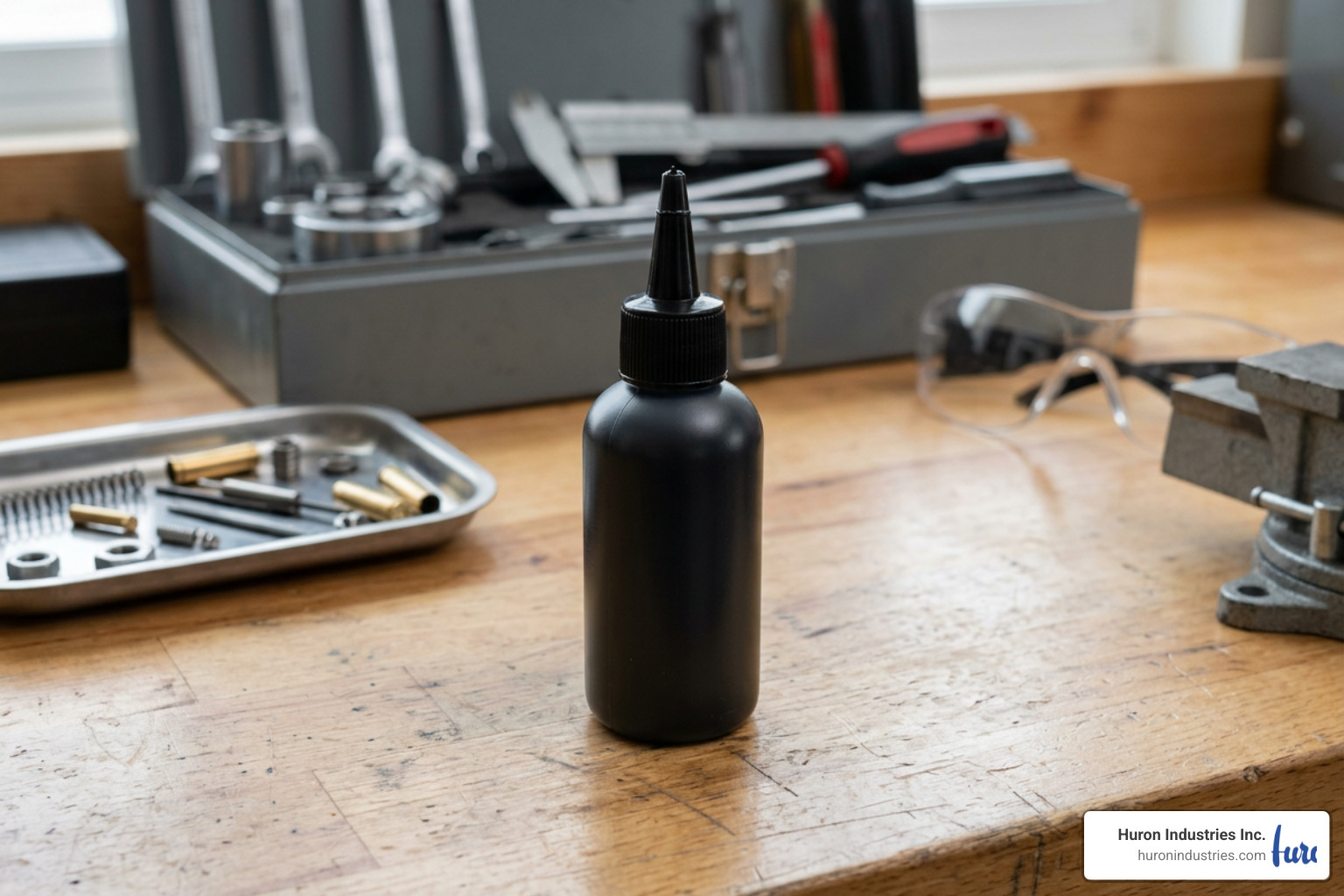
If you are looking for an exceptional dry-film lubricant for precision reloading or specialty industrial assemblies, I highly recommend checking out our CaseLube Liquid Graphite Lubricant to see how our commitment to high-purity manufacturing can streamline your process. Have questions about custom specifications or batch certifications? Reach out to us today—we're here to help you get the exact formulation you need without slipping up.