
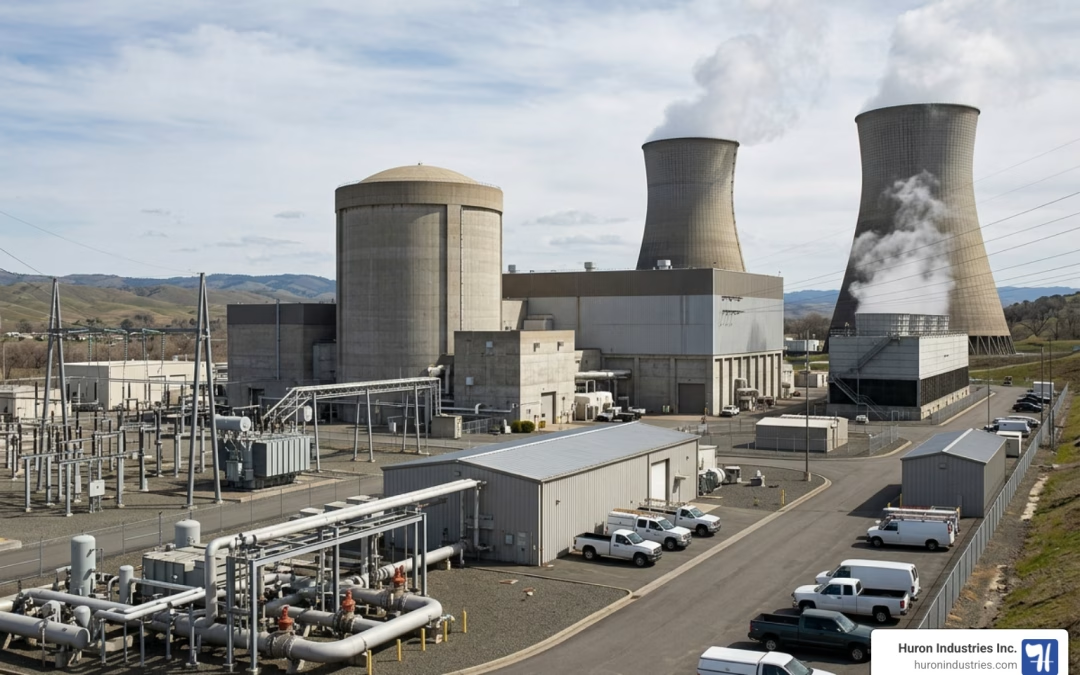
Why Engineering Nuclear Lubricant Is a Safety-Critical Choice
Engineering nuclear lubricant means selecting and controlling oils, greases, dry films, and anti-seize compounds as safety-relevant machine components - not routine maintenance supplies. The right product must keep moving parts working while resisting radiation, heat, chemical exposure, contamination, and long service intervals.
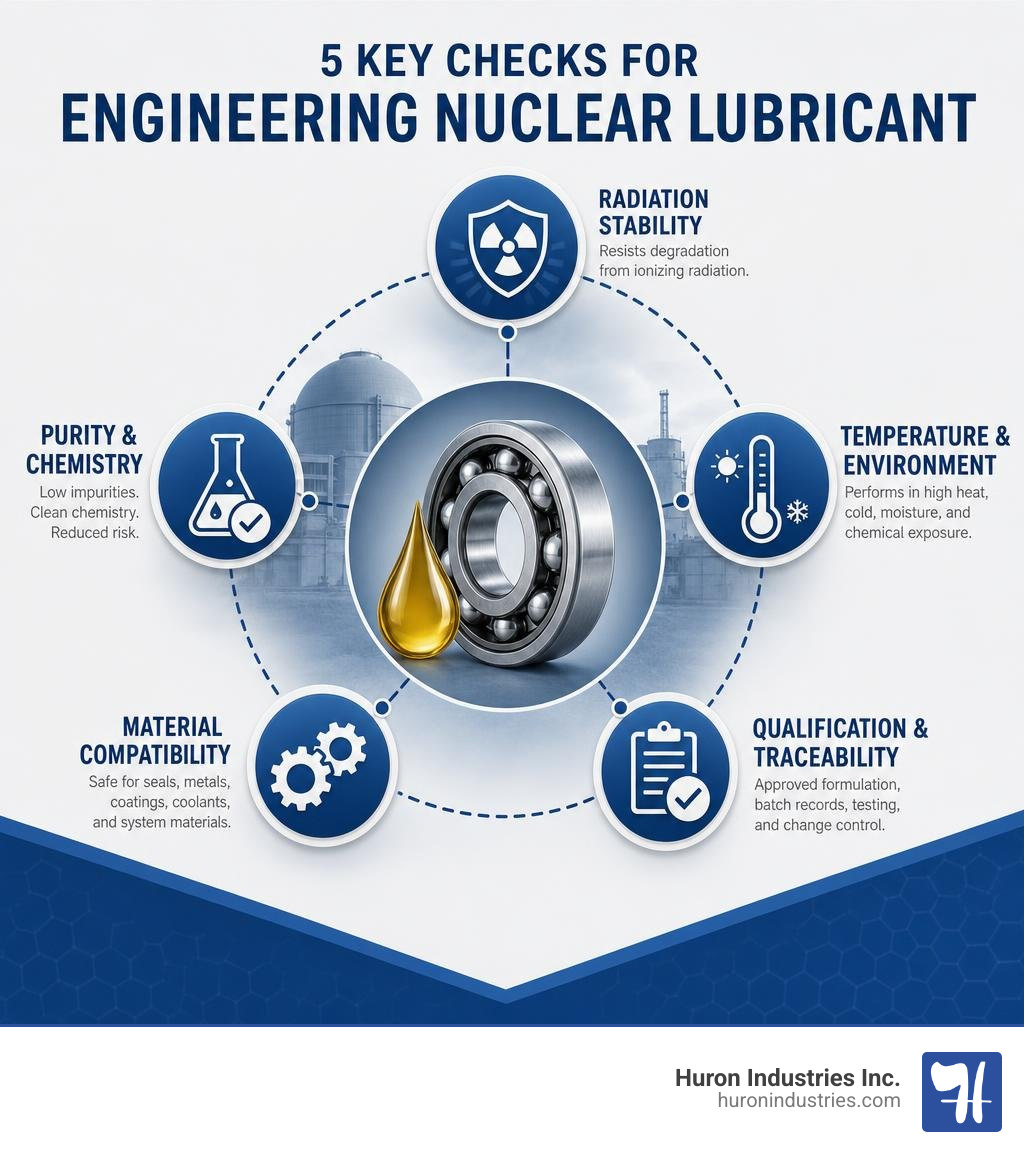
For a quick selection view, reactor-grade lubricant decisions come down to five checks:
| Selection factor | Why it matters in nuclear service |
|---|---|
| Radiation stability | Ionizing radiation can speed oxidation, change viscosity, release gases, and eventually harden grease or oil. |
| Purity and chemistry | Low levels of halogens, sulfur, certain metals, and other contaminants help reduce corrosion and system compatibility risks. |
| Temperature and environment | The lubricant must perform at the actual heat, pressure, moisture, and chemical conditions of its installed location. |
| Material compatibility | It must not damage seals, metals, coatings, coolants, or nearby process materials. |
| Qualification and traceability | Approved formulation, batch records, testing, and change control are essential for safety-related uses. |
A lubricant failure can be far more than a bearing problem. It can affect valve movement, thread torque, pump reliability, turbine uptime, worker exposure, maintenance planning, and the ability to return critical equipment to service. Nuclear assets are built for decades of operation, so lubricant engineering has to account for both harsh conditions and long-term control of the exact formulation used.
I’m Nicholas Cunha, founder of CreatiVertical and a technical content specialist working with Huron Industries Inc. on high-purity lubricants, anti-seize compounds, and dry-film products for regulated buyers. My work in compliance-aware industrial marketing helps translate engineering nuclear lubricant requirements into clear information for engineering, maintenance, and procurement teams.
Core Challenges in Engineering Nuclear Lubricant Standards
When I evaluate fluid dynamics and tribology in power plants, nuclear reactors present some of the most unforgiving environments on Earth. Operating a commercial fleet—where facilities account for 19.4% of total U.S. electrical generation across 99 domestic reactors and 440 worldwide—demands absolute mechanical reliability. Unlike fossil fuel or manufacturing plants, a nuclear facility exposes lubricants to ionizing radiation, extreme thermal cycles, and aggressive chemical coolants simultaneously.
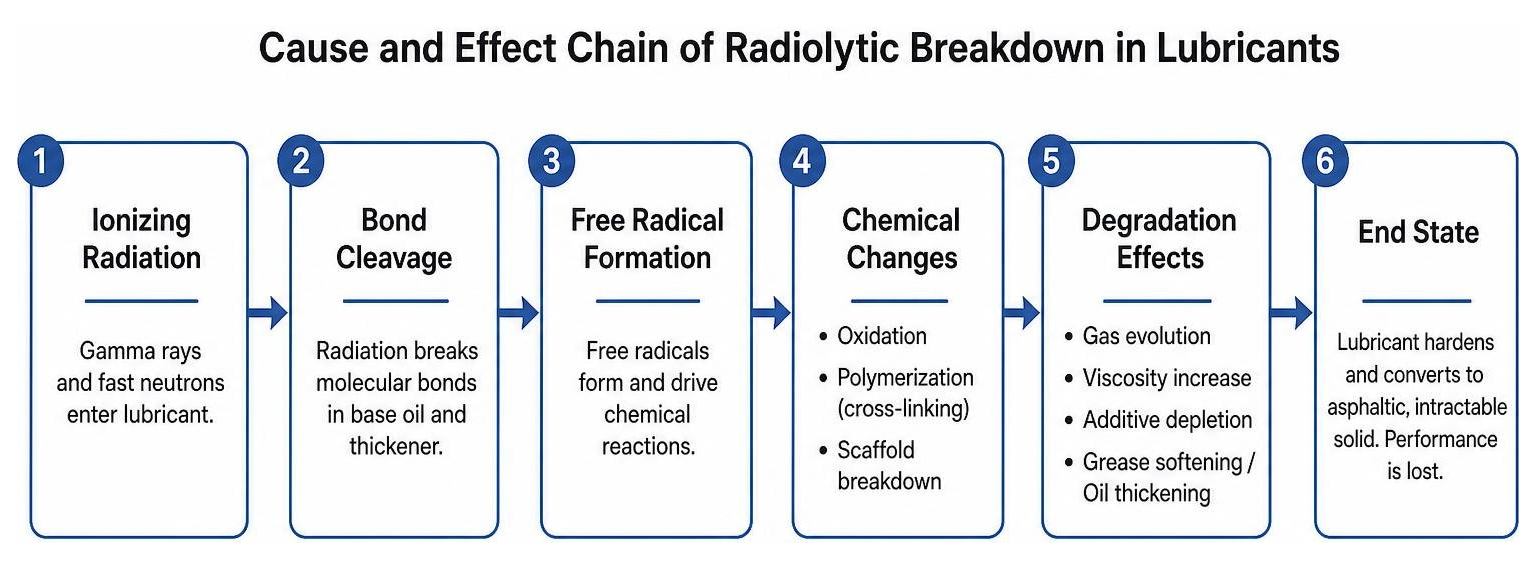
The primary breakdown mechanism inside containment is radiolysis. Ionizing radiation (gamma rays and fast neutrons) cleaves the molecular bonds of hydrocarbon base oils and thickener matrices. This process mimics accelerated thermal oxidation, generating free radicals that cause initial grease softening due to soap scaffold breakdown, followed by oil cross-linking, gas evolution, severe viscosity increases, and the ultimate conversion of the fluid into an intractable, asphaltic solid.
Beyond fluid degradation, mechanical design engineers must account for elastomer vulnerability. Elastomeric seals, O-rings, and gaskets in nuclear pumping systems degrade at radiation doses roughly 10 times lower than the threshold required to destroy synthetic lubricants. If a lubricant reacts chemically with elastomeric seals, or if radiolytic decomposition products (such as halogen acid gases) attack elastomeric compounds, seal embrittlement and catastrophic leakage will follow.
Chemical compatibility is equally vital. Lubricants used near primary coolant loops must demonstrate complete inertness toward boric acid solutions, primary water chemistries, and austenitic stainless steel substrates. You can explore more on these critical performance thresholds in Huron Industries' detailed guide on Condition Performance – Chemical and Radiation Resistance.
Understanding these core technical demands is essential for maintaining equipment safety and efficiency across the life of a plant, as detailed in industry reviews on Lubricants for the nuclear power industry.
Mitigating Radiolytic Breakdown in Engineering Nuclear Lubricant Formulations
To counteract radiolysis, chemical engineers modify base stocks and additive packages to maximize radiation tolerance. Standard mineral oils (API Group I and II) undergo rapid structural damage when exposed to cumulative gamma radiation doses above 10^5 Gy (10^7 rads). To extend service life, specialized formulations incorporate aromatic ring structures, such as polyphenyl ethers (PPE) or synthetic base oils modified with phenyl groups. The delocalized electron resonance within aromatic rings absorbs ionizing energy and dissipates it harmlessly as thermal energy without breaking carbon-carbon backbones.
In synthetic perfluoropolyether (PFPE) formulations, radiation exposure induces molecular cleaving that forms volatile carbonyl fluoride (COF₂) and highly aggressive hydrogen fluoride (HF) gas. To mitigate this corrosive threat, specialty formulations incorporate pulverized alkaline earth metal oxides, such as magnesium oxide (MgO) with particle sizes below 3 microns. These metal oxide additives react directly with radiolytic fluorine gases, capturing acid molecules before they diffuse into the liquid phase or attack surrounding metal alloys.
Advanced anti-seize formulations facing extreme thermal neutron flux utilize specialized isotopic enrichment. As discussed in Lubricating oil for use under radioactive or energy irradiation conditions (US Patent 5192457), formulating high-stability fluids requires suppressing radiolytic acid evolution while preserving shear stability across decades of service.
PWR vs BWR Lubrication System Requirements
Commercial nuclear power plants in North America rely on two primary light-water reactor designs: Pressurized Water Reactors (PWRs) and Boiling Water Reactors (BWRs). Each architecture presents distinct operational parameters for lubrication engineering.
In a PWR, the primary coolant system operates under high pressure (around 2,250 psi) to keep water liquid at temperatures exceeding 600°F (315°C). The primary loop contains dissolved boric acid as a chemical neutron shim. Lubricants used on primary reactor coolant pumps (RCPs) and control rod drive mechanisms (CRDMs) must withstand both high ambient radiation doses and potential contact with borated water sprays without emulsifying or forming abrasive borate crystals. However, because the steam generator isolates the primary loop from the secondary turbine loop, the main steam turbine operating on the secondary side encounters virtually zero radiation.
In contrast, a BWR boils water directly inside the reactor core at approximately 1,000 psi, sending radioactive steam straight to the main turbine assembly. Consequently, steam turbine oils, main steam isolation valve (MSIV) actuators, and reactor water recirculation pump bearings in a BWR operate in mild to moderate radiation fields. Turbine oils in BWR facilities require superior oxidation inhibitors and resistance to radiolytic Nitrogen-16 (¹⁶N) activation, as well as strict limits on leachable halogens to prevent stress corrosion cracking in steam line piping.
Lubricants as Design Components: Qualification and Supply Assurance
In a nuclear power plant, a lubricant is not treated as a consumable maintenance supply. It is classified as an engineered design component. Modifying a lubricant's thickener type, base oil viscosity, or additive package changes the operating characteristics of critical safety systems just as drastically as changing a steel valve stem or pump impeller.
Because lubricants are design components, safety-related applications must comply with Title 10 of the Code of Federal Regulations, Part 50 (10CFR50), Appendix B, "Quality Assurance Criteria for Nuclear Power Plants and Fuel Reprocessing Plants." Under 10CFR50 Appendix B and NQA-1 standards, any lubricant applied to Class 1, 2, or 3 safety-related equipment—such as emergency diesel generators, auxiliary feedwater pumps, and containment isolation valves—must undergo formal qualification.
Qualification protocols require testing under simulated normal operational wear, thermal aging, and Design Basis Accident (DBA) environments, such as a Loss of Coolant Accident (LOCA) or Main Steam Line Break (MSLB). To maintain full safety compliance, procurement teams must ensure robust material traceability, as detailed in our guide on How to Ensure Nuclear Grade Material Traceability in Your Supply Chain.
Quality Control Protocols for Engineering Nuclear Lubricant Batches
To verify that every batch of incoming lubricant conforms to strict design specifications, nuclear utility quality assurance teams enforce receipt inspection testing protocols. Standard commercial off-the-shelf testing is insufficient. Incoming safety-grade lubricant shipments undergo:
- Fourier Transform Infrared (FTIR) Spectroscopy: Fingerprinting the chemical structure to confirm exact base oil identity, polymer thickeners, and additive ratios against established baseline spectra.
- Kinematic Viscosity & Viscosity Index (ASTM D445): Verifying flow characteristics across operating thermal windows (typically 40°C and 100°C).
- Inductively Coupled Plasma (ICP) Spectrometric Metals Testing: Screening for trace metallic contaminants (such as copper, lead, zinc, and mercury) down to parts-per-million (ppm) thresholds.
- Total Halogen and Sulfur Analysis (ASTM D512 / ASTM D129): Quantifying leachable chlorides, fluorides, and sulfur compounds to prevent component degradation.
These stringent checks support compliance with the Nuclear Regulatory Commission's Maintenance Rule (10CFR50.65), which mandates that nuclear utilities monitor and maintain the performance of structures, systems, and components (SSCs) to prevent equipment failure during operational transients.
Managing Supplier Formulation Modifications
One of the greatest operational risks faced by nuclear lubrication engineers occurs when global chemical manufacturers alter product formulations without warning. A supplier might tweak an anti-wear additive package, substitute an API Group I base stock with a Group II hydroprocessed stock, or change a part number to consolidate global supply chains. In a conventional factory, such upgrades are routine. In a nuclear facility, an unannounced formulation change can trigger immediate compliance violations and hardware failures.
To eliminate this vulnerability, nuclear facilities establish strict quarantine holding protocols. When a lubricant arrives on site, warehouse staff isolate the material in a designated quality assurance quarantine holding area until receipt testing confirms chemical equivalence. Contracts with nuclear lubricant suppliers mandate formal written notice at least 12 to 24 months prior to any physical or chemical change in formulation.
If a vendor modifies a formulation, nuclear engineers must perform analytical comparisons and thermal/radiolytic aging reviews before approving product re-certification. You can read more about these rigorous qualification steps in Huron Industries' resource, Slick Science and the Ultimate Guide to Lubricant in Nuclear Reactors.
Anti-Seize, Dry Film Coatings, and Preventing Stress Corrosion Cracking
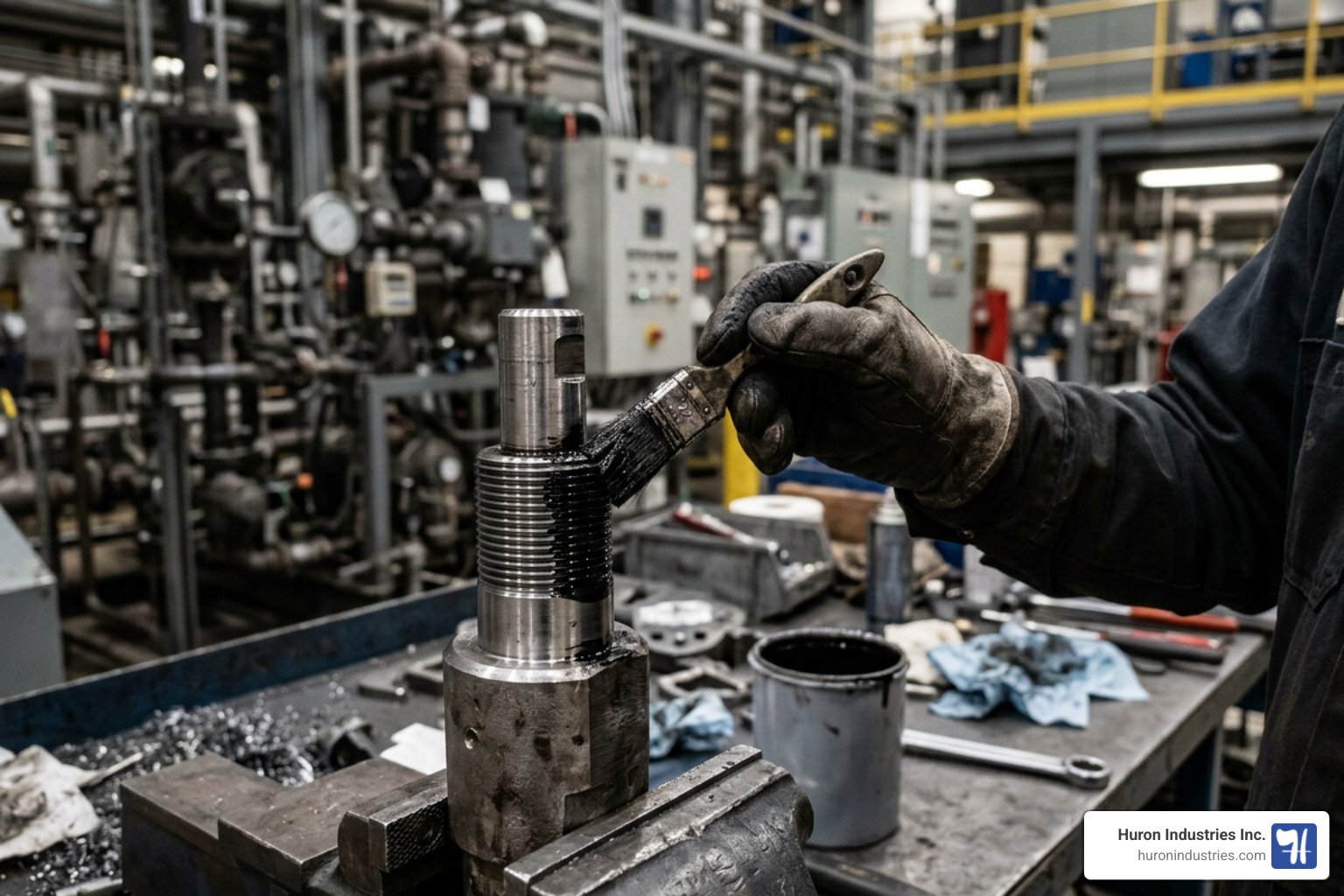
Threaded fasteners, valve stems, and closure studs in reactor containment assemblies face extreme mechanical pressures and temperatures up to 1,000°F (538°C) or higher. Traditional oil- or grease-based thread pastes cannot survive these conditions; the liquid carriers boil off or carbonize, leaving bare metal surfaces susceptible to galling, friction welding, and seizure.
However, selecting anti-seize pastes and dry film coatings in nuclear service requires extreme caution. Standard commercial anti-seize pastes often contain metallic copper, lead, zinc, or low-melting-point alloys. If these metals contact high-strength stainless steel or nickel alloys (such as Inconel) at elevated temperatures, they cause liquid metal embrittlement (LME), leading to sudden, catastrophic structural cracking. Furthermore, elements like copper and lead can poison reactor catalyst beds.
To protect critical stainless steel piping and vessel studs from Stress Corrosion Cracking (SCC), nuclear anti-seize and dry film coatings must satisfy demanding purity standards, such as General Electric non-metallic specification D50YP12. Thread sealants like Neolube 1260 provide high-temperature protection while strictly limiting leachable halides and low-melting metals, as detailed in our analysis of Why Neolube 1260 is the D50YP12 Thread Sealant You Actually Need.
Neutron Absorbers and Isotopic Purity Standards
Solid lubricants exposed to neutron flux in the primary reactor vessel face unique nuclear physics challenges. A primary example is boron. Natural boron consists of two isotopes: Boron-10 (¹⁰B, ~18.4% natural abundance) and Boron-11 (¹¹B, ~81.6%).
Boron-10 possesses an extraordinarily high thermal neutron absorption cross-section of 3,840 barns. When hit by thermal neutrons inside a reactor, Boron-10 acts as a nuclear poison; it absorbs neutrons and transmutes into Lithium-7 and alpha particles (⁴He). This transmutation disrupts the crystalline structure of solid lubricant compounds (such as natural boron nitride), causing lattice degradation, volume swelling, gas generation, and a complete loss of lubricity.
To prevent this radiolytic destruction, advanced high-temperature nuclear lubricants use isotopically enriched Boron-11 (¹¹B), which has a neutron cross-section of only 0.005 barns. By eliminating the Boron-10 isotope, the lubricant remains stable under high neutron flux without undergoing nuclear transmutation or affecting core reactivity.
Similarly, cobalt-containing compounds must be excluded from wear surfaces and lubricants. Cobalt wear particles (⁵⁹Co) enter primary coolant water, pass through the reactor core, and transmute into Cobalt-60 (⁶⁰Co)—a potent gamma emitter with a 5.27-year half-life. Cobalt-60 deposits throughout piping systems, dramatically raising maintenance radiation fields.
Technical breakthroughs in enriched solid lubricant matrices are documented in Lubricant for high temperature nuclear service.
Dry Film Application: MIL-L-24131C Compliance
For precision-machined reactor internals, control rod drive mechanisms, and threaded fasteners where liquid fluids are prohibited, non-corrosive colloidal graphite dry film coatings represent the military and commercial gold standard. Military Specification MIL-L-24131C governs high-purity colloidal graphite dispersed in an isopropanol carrier.
Our flagship product line at Huron Industries Inc., Neolube® No. 1, is qualified under MIL-L-24131C and has been listed on the Qualified Products List (QPL) since 1974. Formulated with 99% pure furnace graphite particles (90% measuring under 4 microns) held in a thermoplastic resin binder and alcohol diluent, Neolube No. 1 applies evenly via brush or spray and air-dries within 5 minutes. Once dried, it forms an adherent, electrically conductive graphite film with a low static coefficient of friction (0.15).
Because it contains zero copper, lead, sulfur, or halogenated solvents, Neolube No. 1 prevents thread galling and pressure welding without risking halide-induced stress corrosion cracking or reactor catalyst bed poisoning. These performance capabilities explain Why the US Navy Trusts Neolube for Nuclear Propulsion.
For complete chemical and physical specifications of colloidal graphite dry films, review the technical documentation for NEOLUBE® NO. 1 LUBRICANT - COLLOIDAL GRAPHITE IN ISOPROPANOL - NEOLUBE® Industrial Dry Lubricants.
Maintenance, Condition Monitoring, and Spill Mitigation
Maintaining lubrication integrity across a plant's 40- to 60-year operating life requires continuous condition monitoring, especially for components inside high-radiation or high-temperature containment zones where physical entry is impossible during power operations.
Modern nuclear stations employ remote online sensors to monitor oil health continuously. In-line sensors track oil viscosity, electrical conductivity (to detect thermal/radiolytic oxidation), moisture levels, and metallic wear debris in real time. For periodic oil sampling in restricted areas, plants utilize automated sampling ports and teleoperated robotic systems, allowing technicians to retrieve fluid samples without incurring occupational radiation doses.
In the laboratory, oil samples undergo rigorous analytical monitoring:
- Spectrometric Wear Metal Analysis: Detects sub-micron metal particles (Fe, Cr, Ni, Cu) to identify early bearing or gear wear.
- Analytical Ferrography: Separates and examines larger wear particles magnetically to classify wear modes (fatigue spalling, cutting wear, sliding wear).
- Karl Fischer Titration (ASTM E203): Quantifies dissolved and free water content down to single-digit ppm levels.
- Particle Counting (ISO 4406): Verifies fluid cleanliness levels (often targeting ISO 15/13/10 or cleaner for critical servo valves).
For a broader perspective on plant equipment maintenance strategies, visit Huron Industries' portal on Industrial Applications – Nuclear Industry Applications.
Environmental Impact and Spill Prevention Protocols
Lubricant management in a nuclear facility is as much about containment as it is about tribology. A primary example of the impact of lubricant leaks occurred at Belgium's Doel Nuclear Power Station. A single inadvertent valve opening allowed 65,000 liters of main steam turbine oil to drain into an underground storage reservoir. The sudden loss of lubrication caused severe turbine bearing overheating, resulting in an unscheduled automatic reactor shutdown and a four-month commercial outage.
To prevent similar operational disruptions and environmental contamination, nuclear plants employ strict secondary containment structures beneath all major oil reservoirs, turbine lube oil modules, and emergency generator sets. Facilities utilize continuous optical leak sensors, sumps equipped with automatic oil-water separators, and high-capacity industrial sorbents.
When minor leaks or maintenance drips occur in clean rooms or containment zones, maintenance personnel deploy specialized non-reactive, lint-free spill sorbents designed to capture hydrocarbon spills cleanly without introducing particulate dust into delicate ventilation systems.
Frequently Asked Questions About Engineering Nuclear Lubricants
Why are lubricants treated as design components rather than maintenance commodities in nuclear plants?
In nuclear facilities, lubricants directly influence the response speed, friction coefficients, heat dissipation, and mechanical margin of safety-related components. Changing a lubricant formulation alters equipment operating parameters just like modifying a mechanical part.
Consequently, lubricants applied in safety systems fall under 10CFR50 Appendix B quality assurance rules, requiring formal engineering design reviews, receipt testing, batch traceability, and Design Basis Accident (DBA) qualification testing before deployment.
How does radiation exposure alter lubricant viscosity and grease gel structures?
Ionizing gamma and neutron radiation breaks carbon-carbon and carbon-hydrogen bonds in base oils, generating reactive free radicals. In early stages, this radiolysis can cause grease softening as the soap thickener matrix breaks down.
As irradiation continues, free radicals recombine and cross-link fluid molecules, causing progressive oil thickening, gas evolution, and eventual hardening into a brittle, solid residue that starves bearings of lubrication.
Why is molybdenum disulfide restricted in wet reactor environments?
Molybdenum disulfide (MoS₂) is an effective solid lubricant in dry, high-vacuum environments. However, under nuclear radiation in the presence of moisture or high-temperature water/steam, MoS₂ undergoes radiolytic decomposition.
This reaction releases corrosive sulfur and sulfide ions that promote Stress Corrosion Cracking (SCC) in high-strength alloy steels and austenitic stainless steels. Historical cases of steam turbine disc cracking have led nuclear engineers to restrict MoS₂ in wet primary and secondary reactor systems, preferring high-purity colloidal graphite or specialized non-metallic sealants.
Conclusion
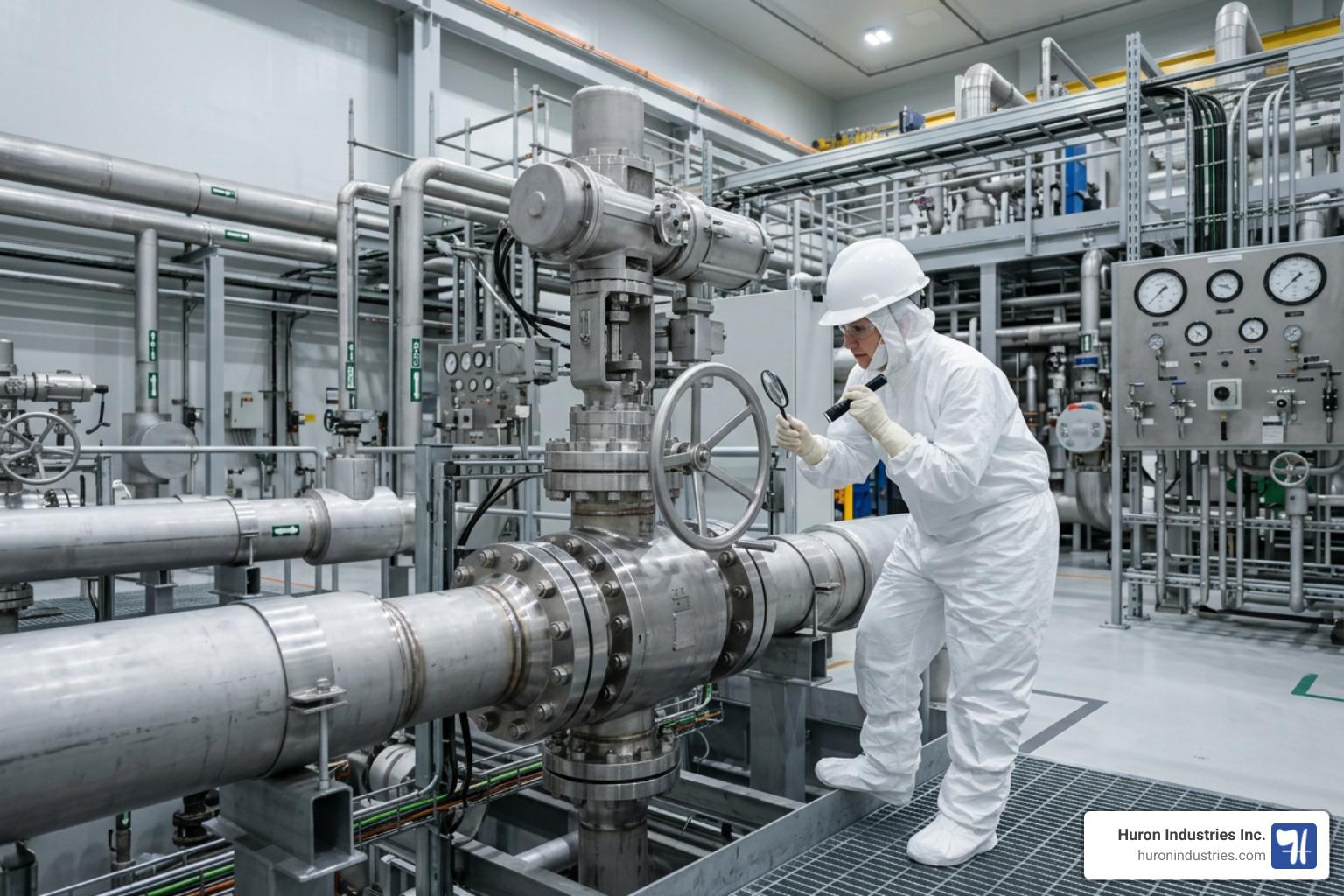
Engineering nuclear lubricant selection requires balancing extreme mechanical performance with uncompromising chemical purity, radiation resistance, and regulatory traceability. In an industry where equipment service lifespans span decades and maintenance access is strictly controlled, selecting the correct lubricant, thread sealant, or dry film coating is a primary defense against unplanned outages and component failure.
At Huron Industries Inc., headquartered in Port Huron, Michigan, we have specialized in manufacturing high-purity dry film graphite lubricants, thread sealants, and anti-seize compounds since 1971. Our flagship Neolube® product line—qualified under military standard MIL-L-24131C—delivers exceptional lubricity and galling protection without introducing halogens, sulfur, lead, or low-melting-point metals into sensitive reactor systems.
Whether you are managing primary containment valve maintenance, qualifying fasteners under GE non-metallic specification D50YP12, or looking for high-precision reload lubricants, Huron Industries provides the fully traceable, certified solutions your operations demand. Beyond nuclear power generation, we also support industrial facilities with CaseLube™ reloading lubricants, Van Meeuwen Green Point® biodegradable marine fluids, and NEOSafe® industrial spill sorbents.
To discuss your station's specific lubrication requirements, request batch analysis documentation, or source military-qualified dry film lubricants, contact our technical engineering team today at Huron Industries Inc. You can also Explore CaseLube Precision Lubricants to discover our complete line of specialized high-performance products.