Access the complete Neolube datasheet directory with technical specs for No. 1 and No. 2 dry film lubricants.

Nick Cunha

Nick Cunha serves as Commercialization Strategist for Huron Industries, working with the company to bring its specialty chemical products to the markets that need them. Through his agency CreatiVertical, he partners with Huron's team at the intersection of strategy, market development, and storytelling — translating decades of deep product expertise into commercial traction. His work spans Huron's product lines, from NEOLUBE® professional-grade dry film graphite lubricants built for Naval-spec and high-precision applications, to CASELUBE® for the precision handloading market, to NEOSAFE® clean-tech sorbents for spill response and EHS-aligned risk mitigation. He writes here about industrial lubrication, material performance, and the commercialization decisions behind getting specialized products in front of the right buyers.
Access the complete Neolube datasheet directory with technical specs for No. 1 and No. 2 dry film lubricants.
Discover how thread locking sealant prevents leaks and loosening with this guide to anaerobic threadlockers, sealants, and application tips.

Learn how engineering nuclear lubricant standards prevent radiolytic breakdown, ensure safety compliance, and extend reactor lifespan.

Find the best teflon free thread sealant for high-purity lines, with top alternatives like colloidal graphite and anaerobic resins for PFAS compliance.
Streamline your QPL lubricant procurement process with this guide to MILSPEC qualification, DLA databases, and compliance for high-consequence sourcing.
Discover how D50yp12 thread sealant delivers nuclear-grade, high-temperature sealing up to 635 °C and 2300 psi for critical industrial systems.
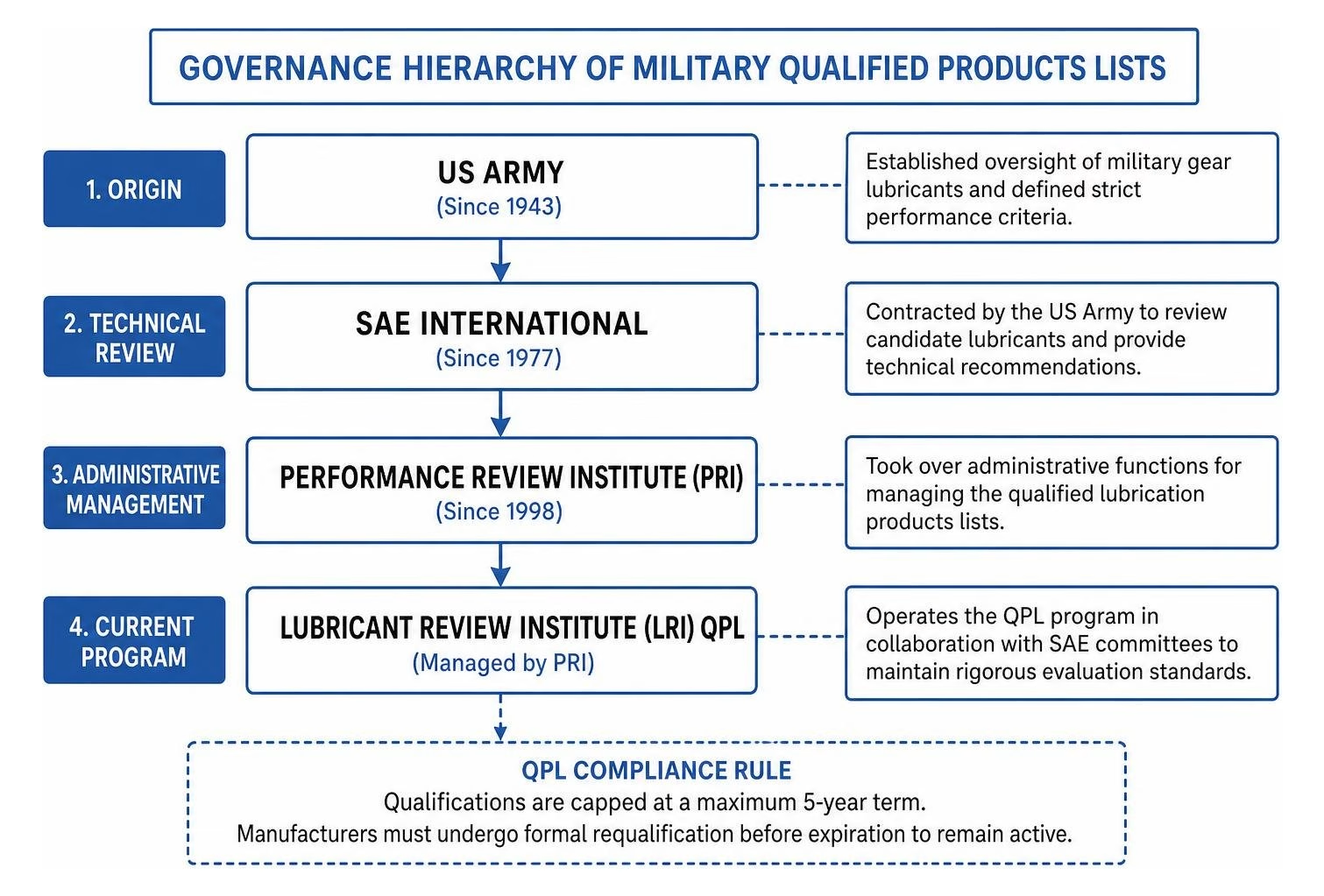
Master QPL lubricant specifications with this guide to governance, testing, and the 4-step qualification process for defense lubricants.
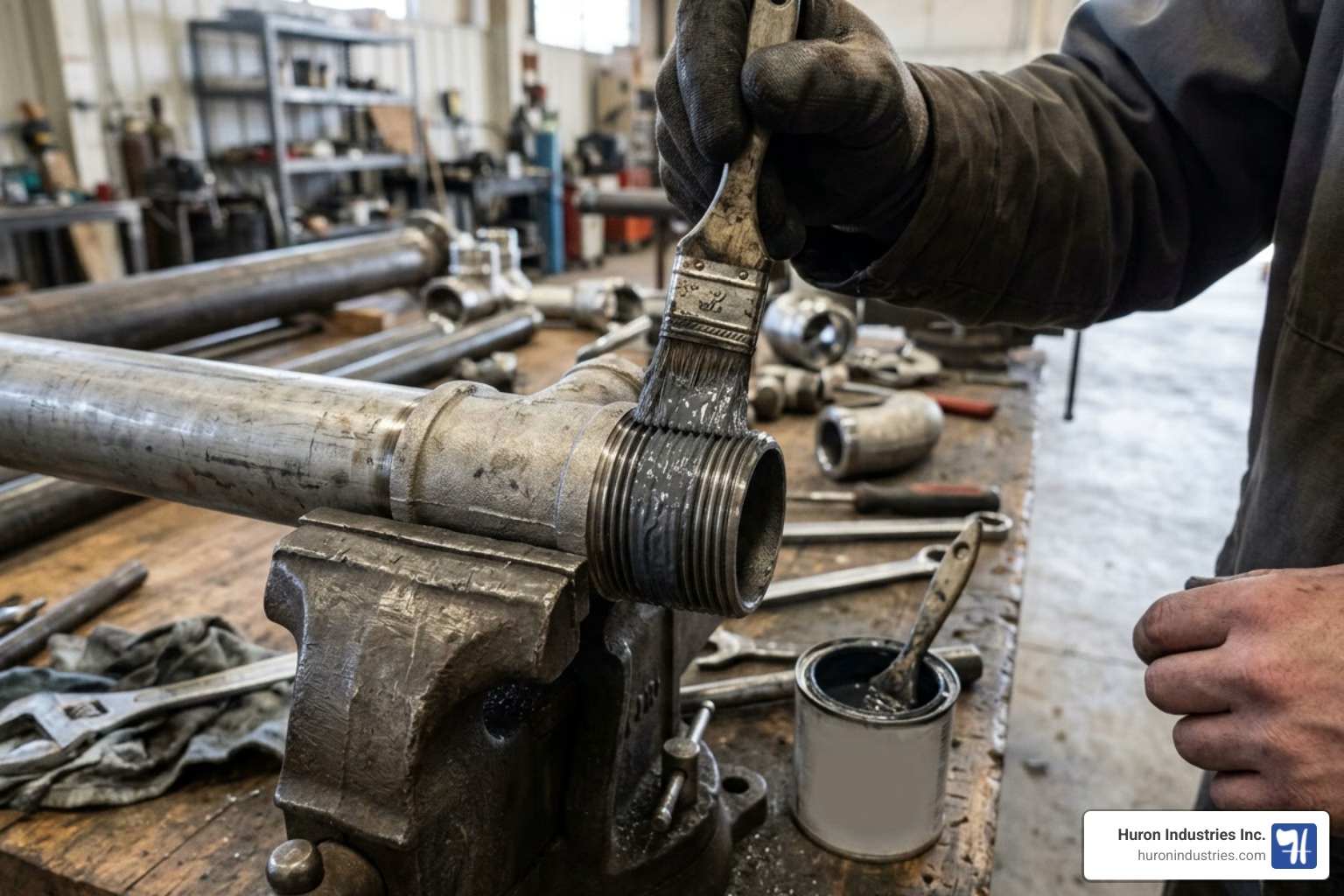
Learn why engineers rely on graphite thread sealant for extreme temperatures up to 635°C, high pressure, and nuclear-grade purity standards.
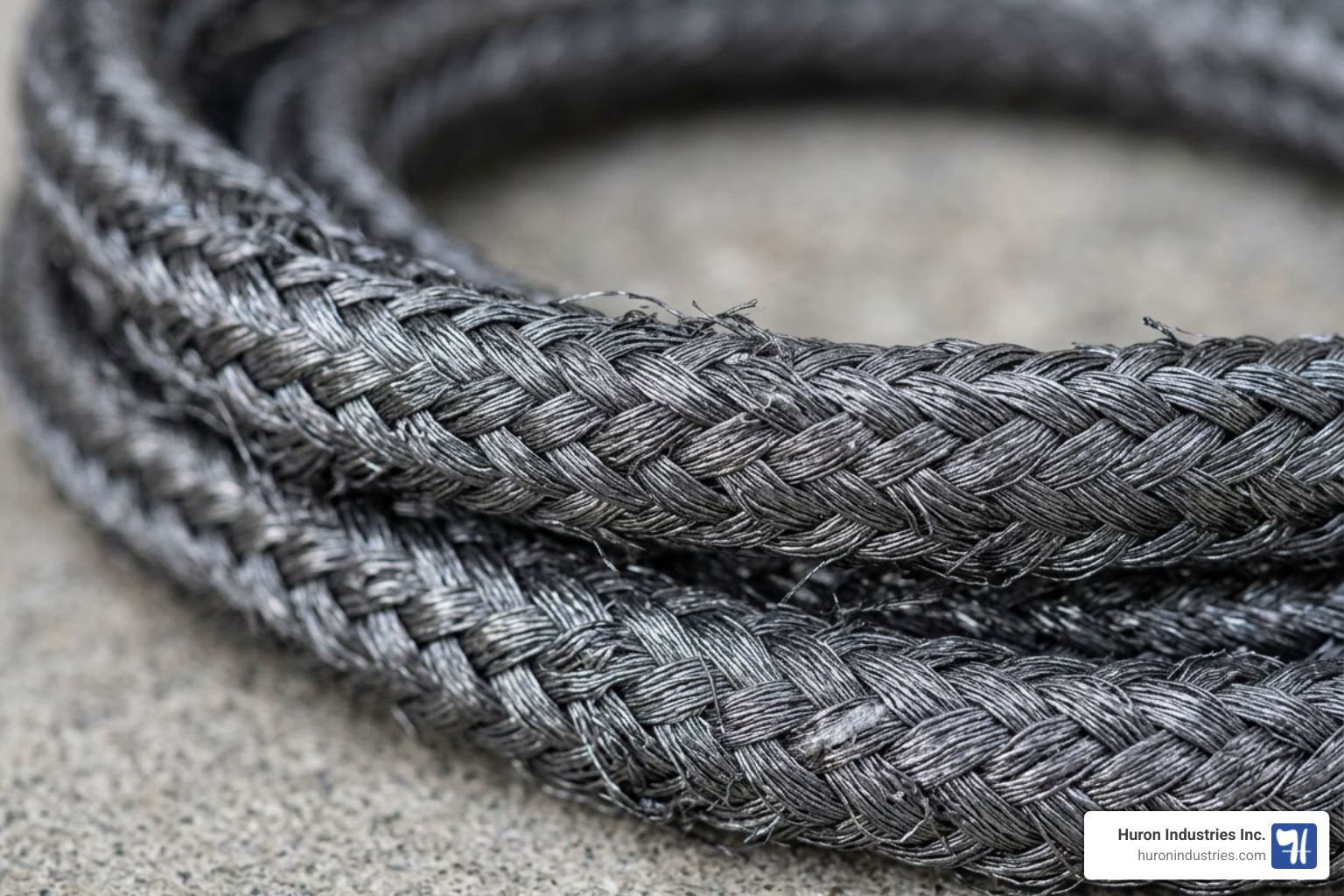
Learn how high temperature valve packing maintains seal integrity under thermal cycling, oxidation, and extreme pressures with this detailed guide.
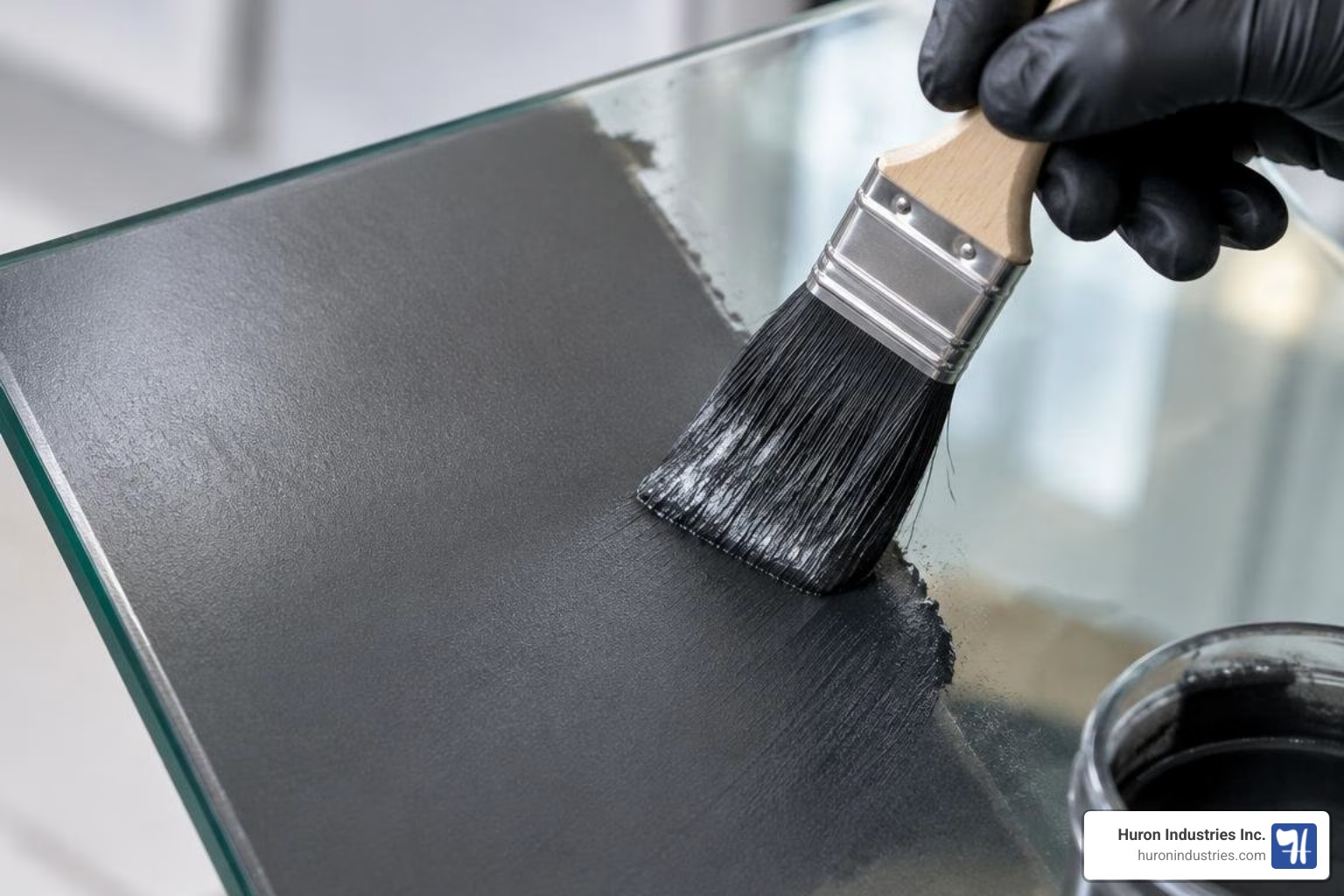
Discover how conductive graphite coating delivers electrical continuity, thermal management, and MIL-SPEC durability for industrial applications.