Why Engineering Nuclear Sorbent Matters for Nuclear Safety Engineering nuclear sorbent means designing a porous material to capture specific radioactive gases, liquids, or ions while withstanding the heat, radiation, moisture, chemicals, and flow conditions of a...
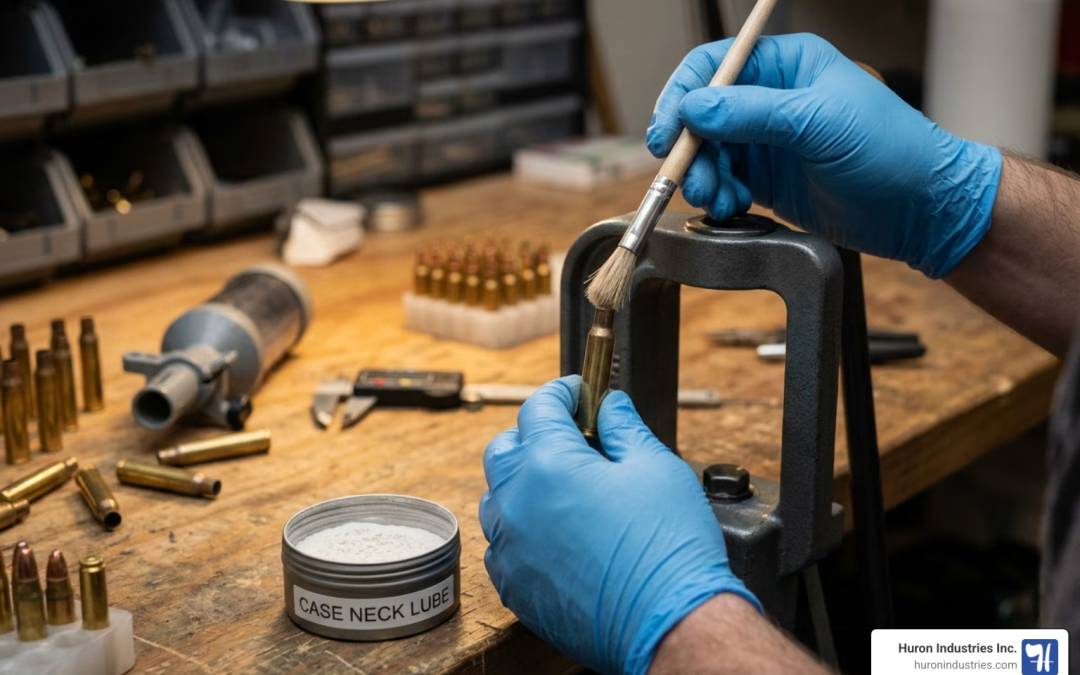
What Case Neck Lube Does — and Why It Matters Case neck lube is a lubricant applied to the inside of a cartridge case neck to reduce friction during two key steps: sizing and bullet seating. Quick answer — what you need to know: Purpose: Reduces friction as the...
Choosing Thread Sealant for Fuel Oil Piping Use a pipe thread sealant labeled for fuel oil on NPT connections. A non-hardening, fuel-rated paste is a practical choice for tank fill and vent pipes, filters, and burner pump fittings. Check the product’s...
Why Engineering Nuclear Sealant Matters for Containment Engineering nuclear sealant is the design and selection of materials that stop gases, liquids, radioactive particles, fire, and pressure from passing through critical nuclear boundaries. It includes metal seals,...
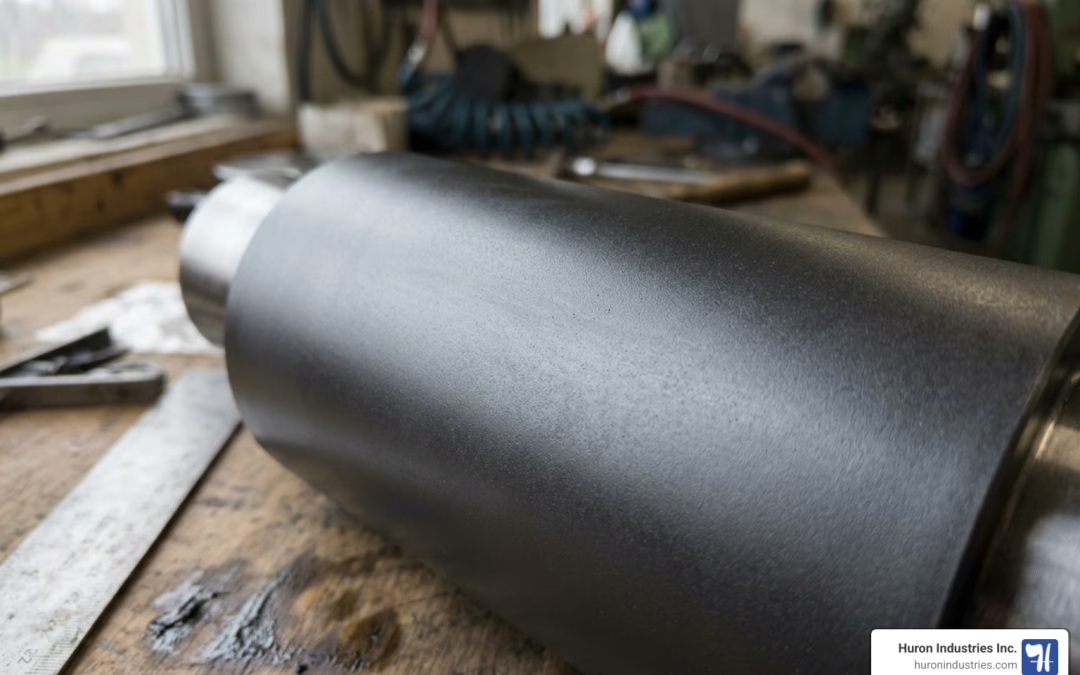
What the Neolube Datasheet Tells You (And Why It Matters) A neolube datasheet gives engineers, procurement teams, and safety officers the exact technical specs needed to qualify and apply Huron Industries’ colloidal graphite lubricants in regulated environments....
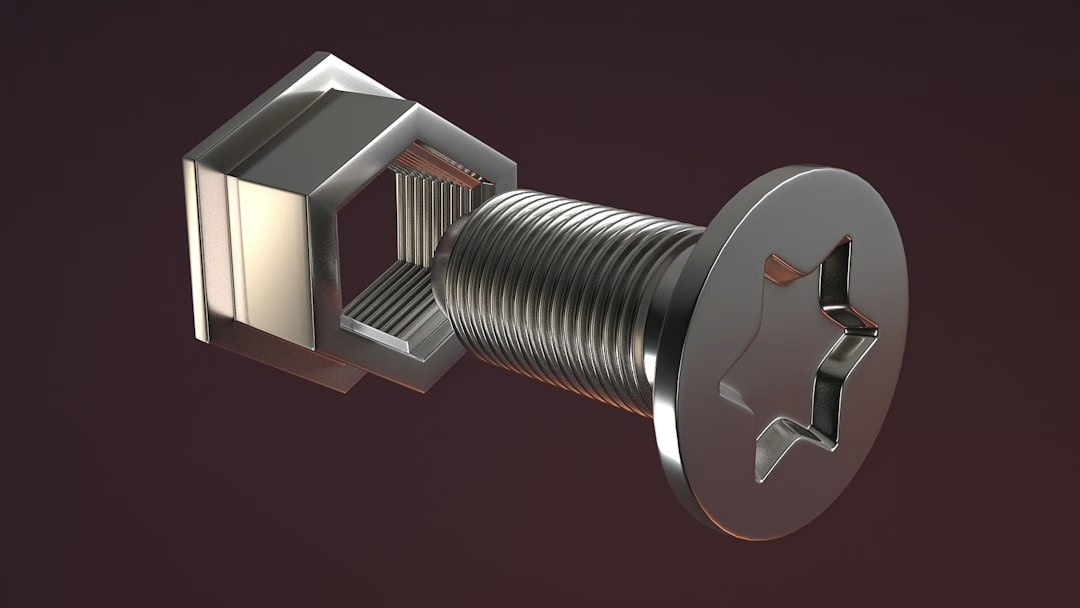
Thread Locking Sealant: Locking vs. Sealing Choose a threadlocker when the main risk is a fastener loosening under vibration. Choose a thread sealant when the main risk is fluid or gas escaping through a threaded fitting. If the joint needs both, a thread locking...