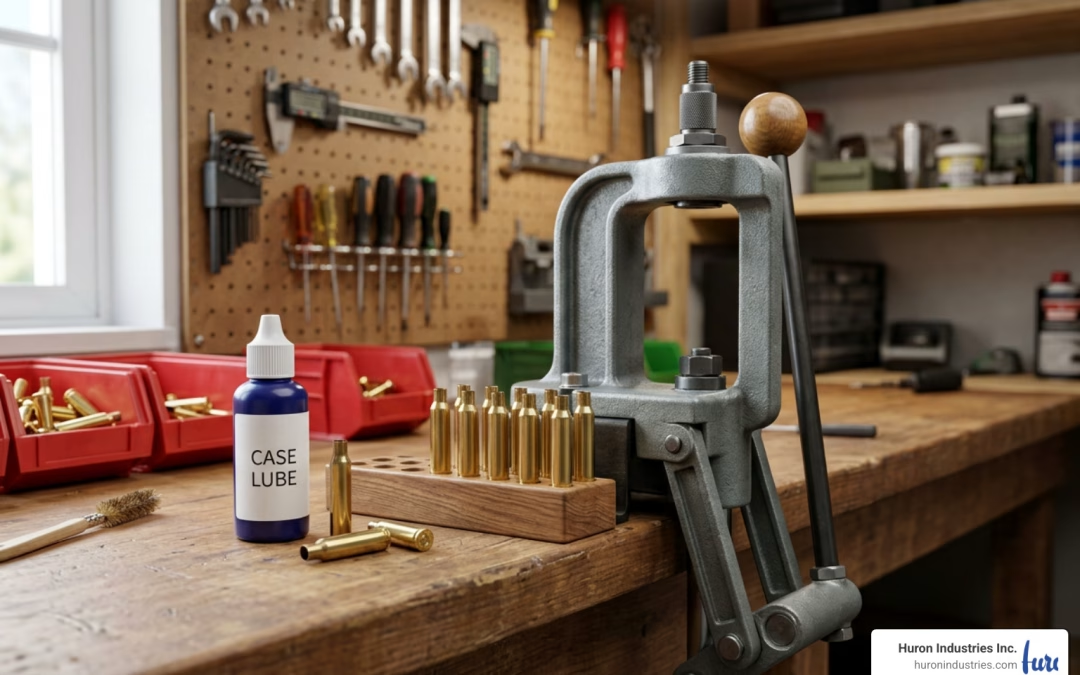
What the CaseLube Datasheet Tells You About Safe, Precise Lubrication The CaseLube datasheet covers everything you need to know before handling this colloidal graphite case neck lubricant — from friction specs to flammability warnings. Here are the key technical...
Why Engineers and Procurement Teams Are Evaluating Dry Film Lubrication Alternatives Finding a reliable dry film lubrication alternative is a top priority for engineers, EHS managers, and procurement teams across aerospace, nuclear, and heavy industrial sectors — and...
Why Nuclear Grade Material Traceability Is Non-Negotiable in Safety-Critical Supply Chains Nuclear grade material traceability is the documented ability to track every material in a nuclear application — from its original cast or heat number, through manufacturing and...
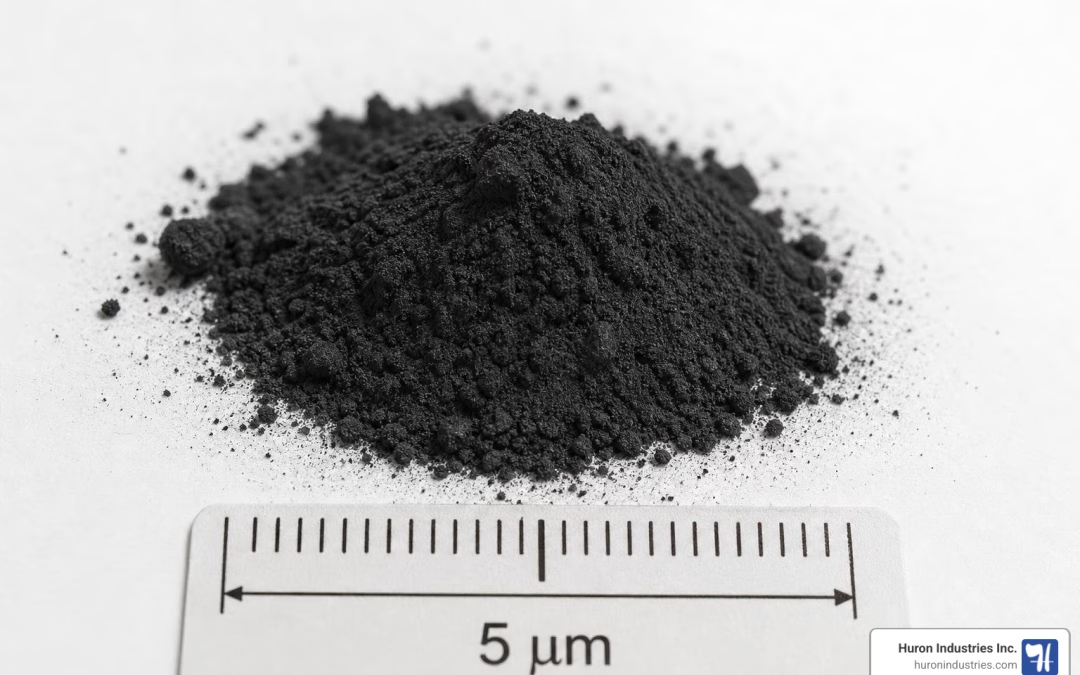
What Is Graphite Powder 5 Micron — and Why Does Particle Size Matter? Graphite powder 5 micron is finely milled carbon particles averaging 5 micrometers (µm) in diameter — roughly 15 times smaller than a human red blood cell. Here’s what you need to know at a...
When a Spill Becomes a Food Safety Incident A food safe spill absorbent is any sorbent material certified — typically through NSF International’s Nonfood Compounds Program — to be used in areas where food is processed, stored, or handled without posing a...
Why Dry Film Lubricant Coatings Matter in High-Stakes Industrial Applications A dry film lubricant coating is a solid material bonded to a surface to reduce friction — without any oil, grease, or liquid that needs to be replenished. Unlike wet lubricants, it stays...