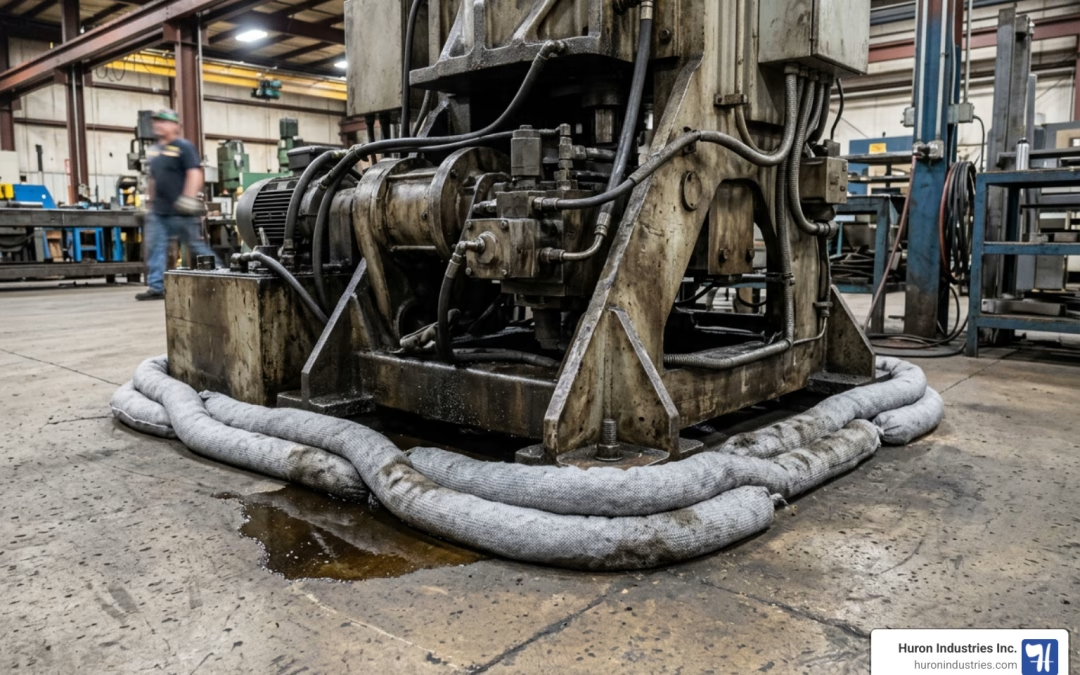
How Absorbent Socks Function and Differ from Marine Booms When an industrial fluid line bursts or a gearbox seal fails, liquid spreads rapidly along the path of least resistance. Absorbent socks work through a combination of fluid diking, surface tension capture, and...
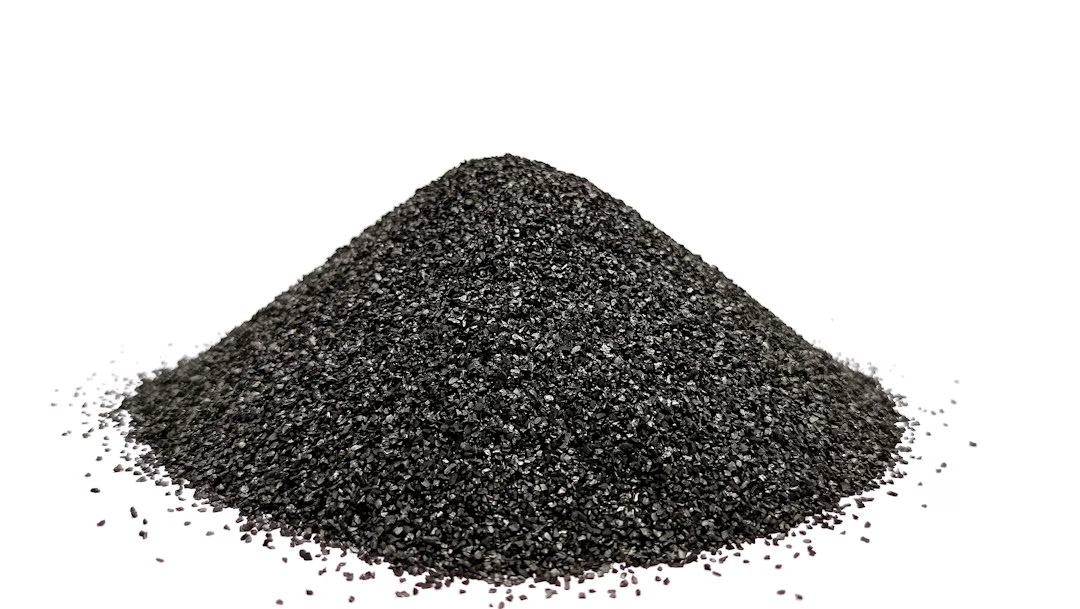
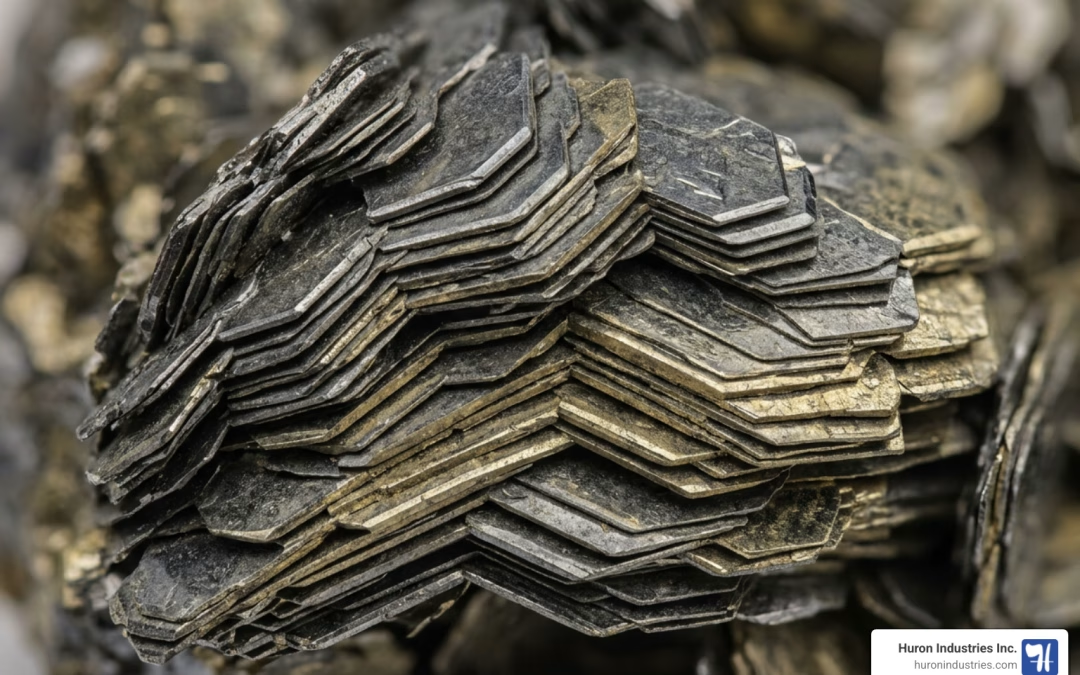
Why Molybdenum Disulfide Is a High-Performance Solid Lubricant Molybdenum disulfide lubricant properties come from its layered crystal structure. Its thin layers slide over one another with very low shear force, creating a durable boundary film that reduces friction,...
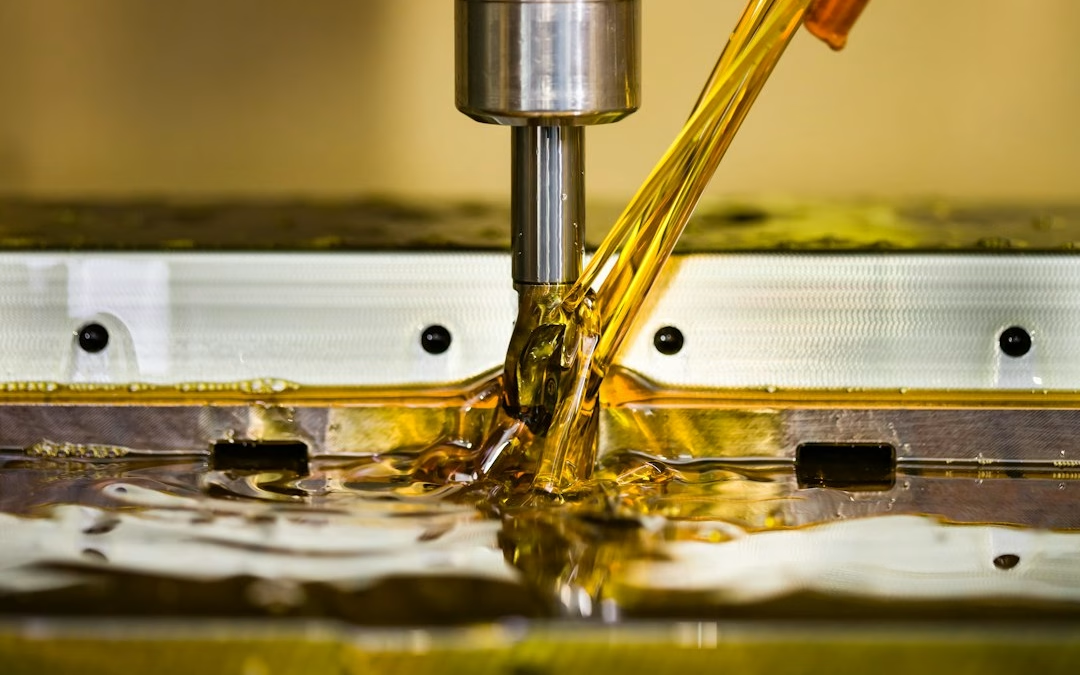
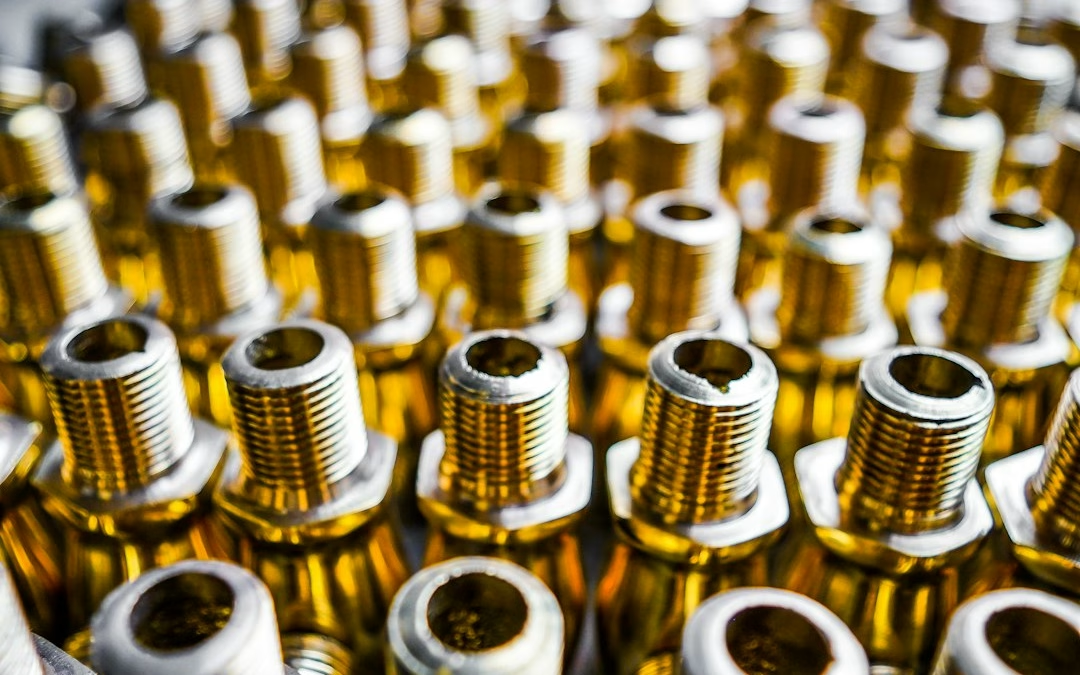
Why Thread Cutting Lubricant Matters A thread cutting lubricant is a fluid or paste applied to a tap, die, drill, or workpiece while threads are being cut. It reduces friction and heat at the cutting edge, helps move chips away, limits galling and metal pickup, and...
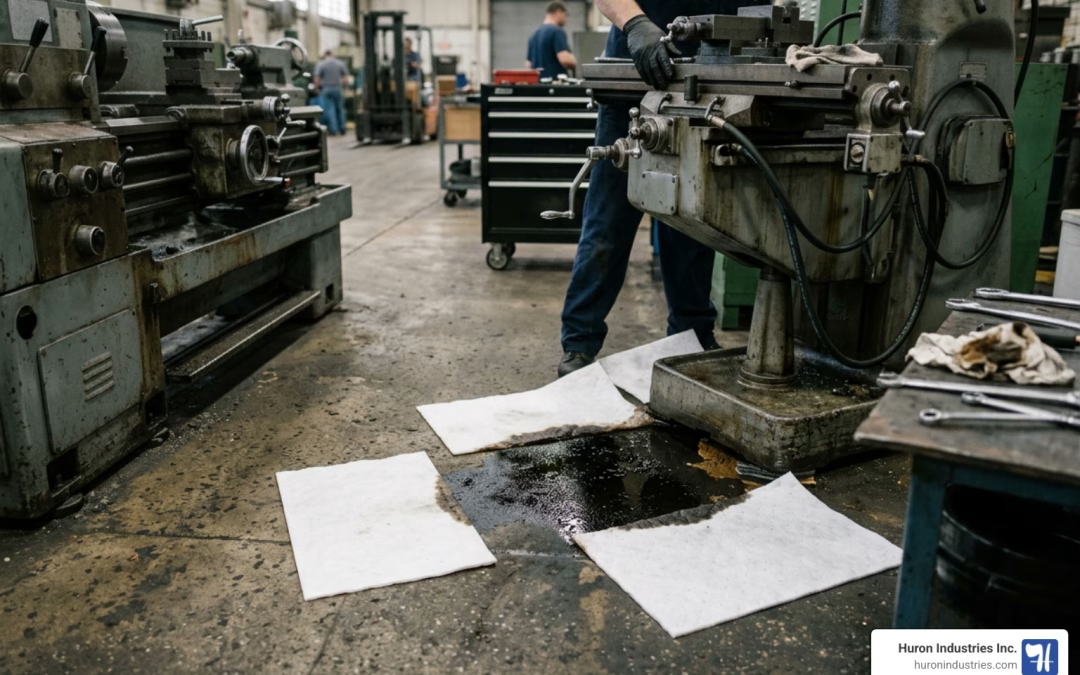
Why Sorbent Pads Matter for Workplace Spill Control Sorbent pads are flat, fast-deploying materials used to capture leaks, drips, and small spills before they spread into walkways, drains, or equipment. Choose the pad type by fluid: universal pads for common oils,...
Key Properties of Molybdenum Disulfide Powder Under 2 Microns Molybdenum disulfide powder under 2 microns is an ultra-fine solid lubricant engineered for severe-duty applications, delivering extreme pressure resistance up to 250,000 psi, friction coefficients below...
Stop Stainless Steel Thread Galling Before It Starts To prevent stainless steel thread galling, clean the threads, apply a thin and even coat of stainless steel thread lubricant, assemble slowly by hand, and use the torque value specified for lubricated fasteners. Do...